
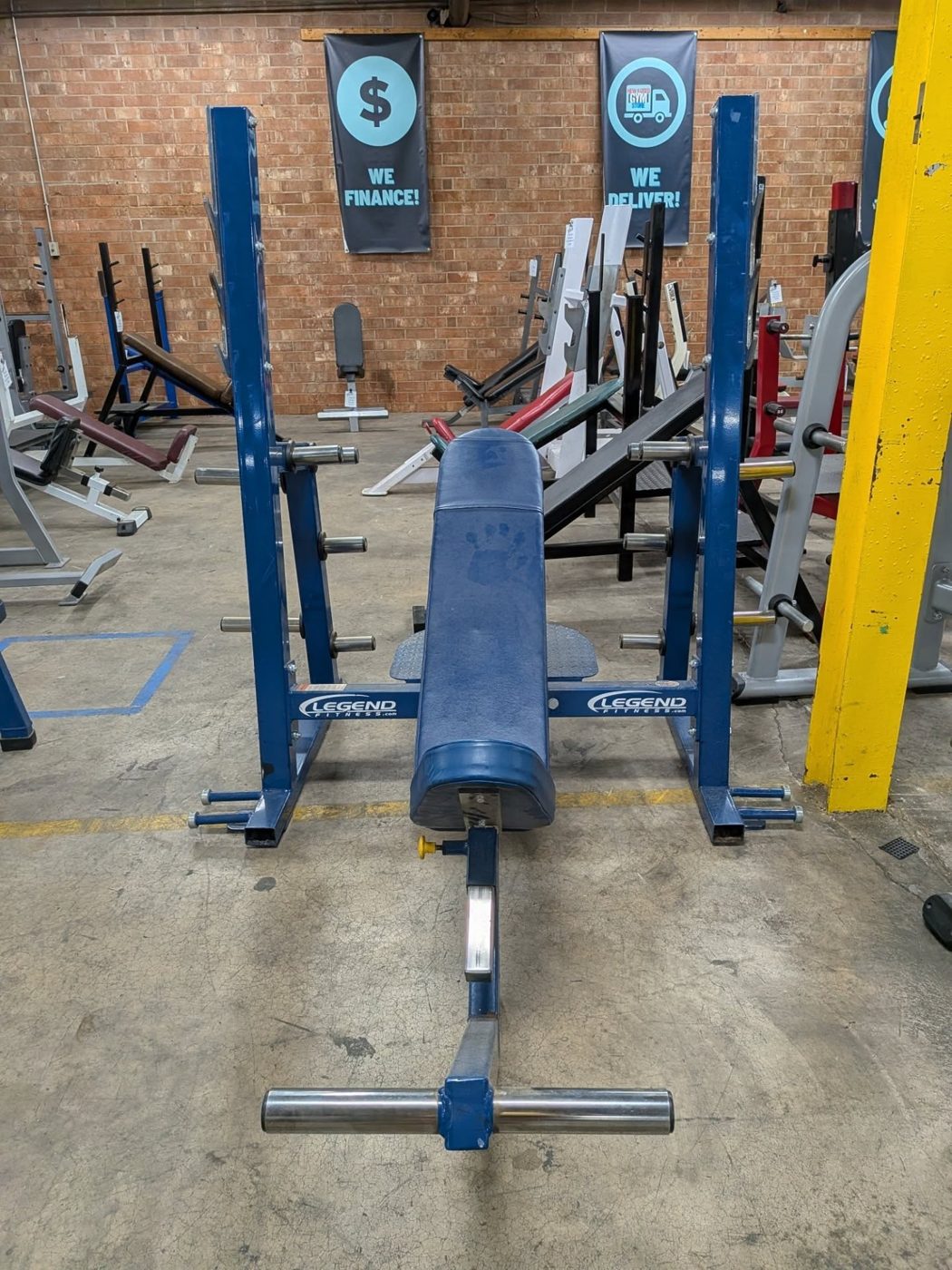
Adjustable Workout Bench Buying Guide: How to Choose the Best Adjustable Weight Bench
Back angles, pad gap, weight capacity and adjustment style — everything that separates a great adjustable weight bench from one you'll replace in a year.
Adjustable & Weight Benches for Sale
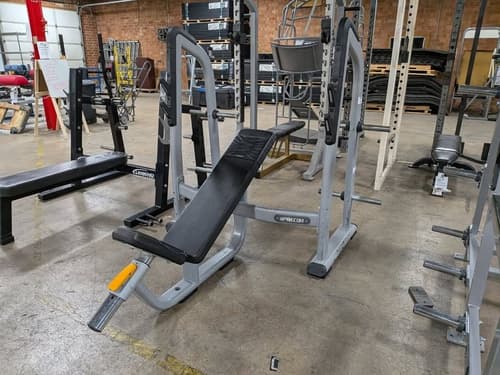
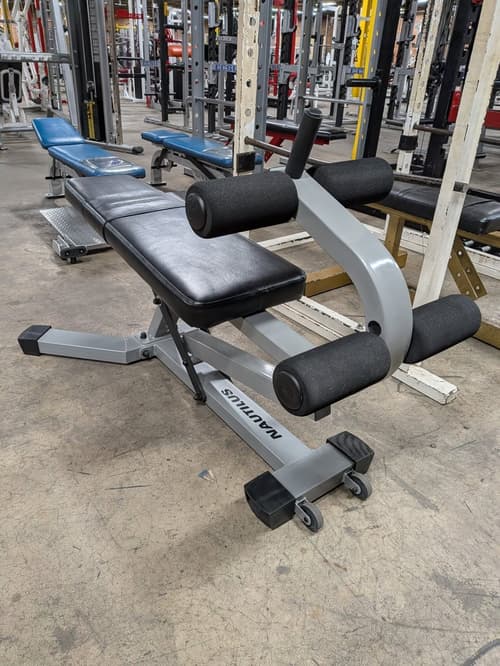
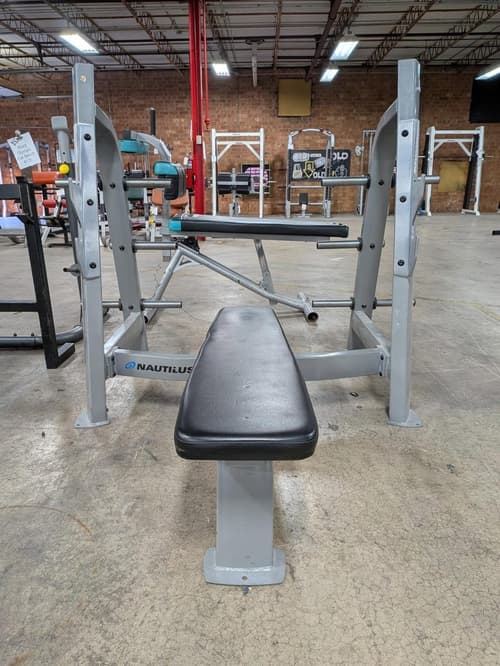
Hammer Strength
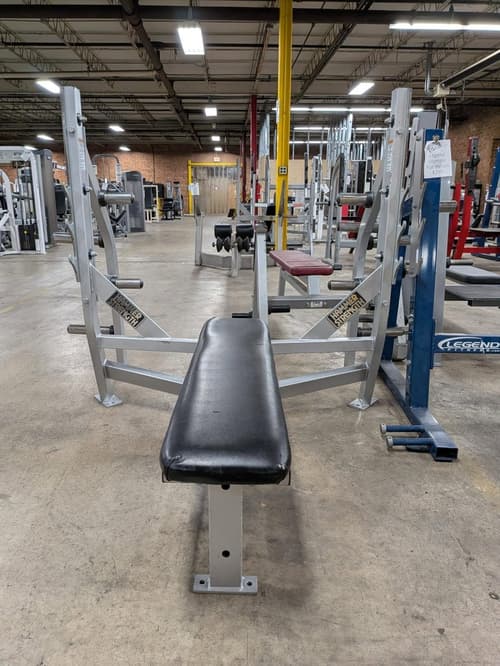
Used Hammer Strength Olympic Flat Bench
Condition: Very Good
$299
Los Angeles, California
1. Why an Adjustable Workout Bench Is the Most Useful Bench You Can Buy
An adjustable workout bench does the job of three or four fixed benches. Set flat, it handles barbell and dumbbell bench press, rows and step-ups. Raised to an incline, it covers incline presses, seated curls and shoulder work. Models with a decline setting add decline presses and ab work. For most home gyms — and plenty of commercial ones — that versatility makes an adjustable weight bench the first bench worth buying.
The tradeoff is complexity. Every hinge, pin and seat adjustment is a place where cheaper benches wobble, sag or leave an uncomfortable gap between pads. Knowing what to check is the difference between a bench you'll use for a decade and one you'll want to replace within a year.
Shop Weight Benches2. Flat-Incline (FI) vs. Flat-Incline-Decline (FID) Benches
Adjustable benches fall into two broad groups. A flat-incline (FI) bench adjusts from flat up to an upright seated position. A flat-incline-decline (FID) bench adds one or more decline settings below flat, usually with a leg hold-down to keep you anchored.
If you rarely do decline pressing or decline sit-ups, an FI bench is simpler, often more stable, and usually has a smaller pad gap. If you want an all-in-one bench that also handles decline work and adjustable sit-up bench exercises, an FID bench is worth the extra hardware.
| Feature | Flat-Incline (FI) | Flat-Incline-Decline (FID) |
|---|---|---|
| Angle range | Flat to upright | Decline through upright |
| Leg hold-down | Rarely | Usually included |
| Complexity | Fewer moving parts | More hardware to inspect |
| Best for | Pressing, rows, seated work | All of the above plus decline and ab work |
3. Back Pad Angles and Seat Adjustment
More settings isn't automatically better, but the useful angles matter. Look for a true flat position, at least one low incline (roughly 15–30 degrees) for incline pressing, a 45-degree-ish setting and a near-upright position for seated overhead pressing. Many lifters find low inclines the most-used setting of all, so a bench that jumps straight from flat to a steep angle is a common disappointment.
An adjustable seat matters almost as much as the back pad. Without it, you'll slide down the bench on incline presses. A seat that tilts up a few degrees keeps you locked in place and makes the incline settings far more usable.
4. Pad Gap: The Detail Most Buyers Miss
Where the back pad meets the seat, most adjustable benches leave a gap. On a flat setting, a large gap sits right under your lower back or hips during bench press, which feels unstable and can be distracting with heavy weights. Better benches minimize it with a sliding back pad, a closer hinge design or a seat that moves forward as the back reclines.
If you can see a bench in person, lie on it flat. If you can feel the gap, you'll notice it every session.
5. Ladder vs. Pop-Pin Adjustment
Ladder-style adjustment uses a notched rail at the back of the bench — you lift the back pad and drop the support bar into the next rung. It's fast, simple and very durable, which is why it shows up on most commercial adjustable benches.
Pop-pin adjustment uses a spring-loaded pin through a hole in the frame. It can be more compact and allows finer angle steps, but pins and their springs can loosen over time, and a cheaply built pin system is a common source of bench wobble. Either style works well when it's built properly — check for play in the back pad once it's locked in.
6. Weight Capacity, Frame and Stability
The rated weight capacity has to cover your body weight plus the heaviest weight you'll lift, with room to spare. Many home adjustable weight benches are rated somewhere in the 600–1,000 lb range; commercial and heavy-duty adjustable benches often go higher. Treat ratings from unfamiliar brands with some skepticism and look at the frame itself: thicker-gauge steel tubing, wide front and rear feet and solid welds tell you more than a number on a box.
Stability is the real test. A wide footprint keeps the bench from tipping when you sit up from an incline or press heavy dumbbells. Rubber feet protect your floor and stop the bench from sliding.
- Rated capacity well above your body weight plus your working weights
- Wide front and rear stabilizers that sit flat on the floor
- No side-to-side wobble with the back pad locked at any angle
- Solid welds and thick-gauge steel at the hinge points
7. Pad Width, Height and Upholstery
Bench pads typically range from about 10 to 12 inches wide. A wider pad gives broader-shouldered lifters more support on heavy presses, while a slightly narrower pad gives more shoulder-blade freedom on dumbbell work. Pad height also matters: a bench height around 17 inches lets most lifters plant their feet firmly for leg drive during bench press.
Firm, dense foam holds its shape better than soft foam that bottoms out, and grippy upholstery stops you sliding on incline sets. Upholstery is also the part of a used adjustable bench most likely to show wear — fortunately, it's easy and inexpensive to recover or replace.
8. Adjustable Benches for Home vs. Commercial Use
Home adjustable benches prioritize footprint, weight and price — many include transport wheels and a handle so you can roll them out of the way. Commercial adjustable benches are built for constant, multi-user traffic, with heavier frames, ladder adjusters and thicker upholstery. They're bigger and heavier but nearly indestructible.
A used commercial adjustable bench is one of the best values in strength equipment. With few moving parts and simple steel construction, it usually outlasts a new home-grade bench sold at a similar price.
Read: Commercial & Heavy-Duty Weight Benches9. How to Choose the Best Adjustable Bench for Your Gym
Start with how you'll use it. If you'll press inside a power rack, check that the bench fits between the uprights and that the seat doesn't hit the rack base. If you train with dumbbells only, an FI bench with good low-incline settings covers almost everything. If you want decline work and adjustable sit-up bench exercises too, look for an FID bench with a sturdy leg hold-down.
Then match build quality to your strength level. A beginner can get years of use from a solid mid-range bench. A strong lifter pressing heavy dumbbells will appreciate a commercial or heavy-duty adjustable bench that doesn't flex.
Read: Best Workout Bench for Home10. Buying a Used Adjustable Weight Bench
Benches are one of the safest pieces of equipment to buy used. Lock the back pad at every angle and push on it to check for play. Inspect the hinge and adjustment holes or ladder rungs for wear or cracks, check the welds, and sit on the seat at an incline to make sure it doesn't slip. Torn upholstery is cosmetic and inexpensive to fix; a bent frame or cracked weld isn't.
See the Full Inspection ChecklistFinal Thoughts
The best adjustable workout bench is the one that's stable at every angle, has a small pad gap, offers the incline settings you'll actually use and carries a weight capacity well above what you lift. Whether you choose a compact home bench or a used commercial adjustable bench, check the frame, adjustment mechanism and pads in person when you can — those details determine how the bench feels under load far more than the spec sheet.
Frequently Asked Questions
- What is the best adjustable weight bench for most people?
- For most lifters, a sturdy flat-incline bench with a small pad gap, an adjustable seat, a low incline setting and a weight capacity well above their body weight plus working weights. Add decline only if you'll use it.
- Is a flat-incline-decline bench worth it?
- It's worth it if you do decline presses or decline ab work regularly. If you don't, a flat-incline bench is usually simpler, more stable and less expensive.
- What weight capacity should an adjustable bench have?
- Enough to cover your body weight plus the heaviest weight you'll lift, with a healthy margin. Many home benches are rated around 600–1,000 lb; commercial benches are often higher.
- What is pad gap on an adjustable bench?
- Pad gap is the space between the back pad and seat. A large gap can sit under your lower back during flat bench press and feel unstable, so smaller is better.
- Are ladder-style or pin adjustments better?
- Ladder adjusters are fast and very durable, which is why commercial benches favor them. Pin systems can be compact and offer finer steps, but quality varies. Both work well when built properly.
- Can I use an adjustable bench inside a power rack?
- Usually, yes — just measure the inside width of your rack and confirm the bench's feet and seat clear the rack base and uprights.
- Should I buy an adjustable bench new or used?
- Used is often the better value. Benches have few moving parts, so a used commercial adjustable bench in good structural condition can outlast a new home-grade model at a similar price.
- What height should a workout bench be?
- Around 17 inches suits most lifters, letting them plant their feet firmly for leg drive during pressing. Shorter lifters may prefer a slightly lower bench.
Shop Related Equipment
Ready to Find Your Adjustable Bench?
Browse new and used weight benches from verified sellers.