
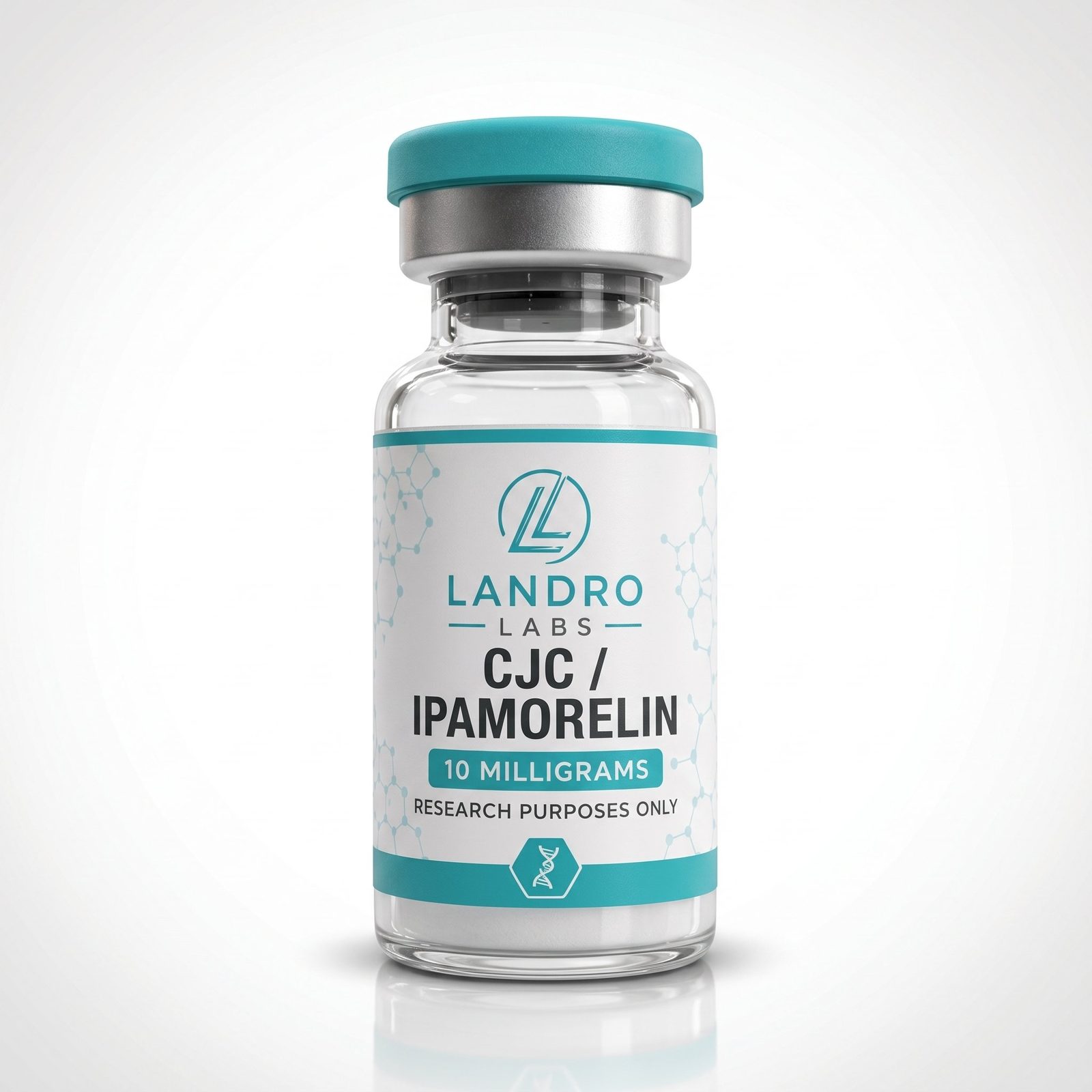
CJC-1295 and Ipamorelin: Growth Hormone Peptides Explained
CJC-1295, Ipamorelin and GHRP-6 are growth hormone secretagogues. Here's how they work, what research found and how they're regulated.
Growth Hormone Research Peptides
1. What Are Growth Hormone Secretagogues?
Growth hormone secretagogues are compounds that signal the pituitary gland to release growth hormone (GH). They don't contain growth hormone themselves. Instead, they mimic natural signals: some act like growth hormone-releasing hormone (GHRH), and others act like ghrelin, a hormone that also triggers GH release.
2. How the Main Compounds Differ
| Compound | Type | Research Background |
|---|---|---|
| CJC-1295 | GHRH analog | Early human studies showed it raised GH and IGF-1; development as a drug was not completed |
| Ipamorelin | Ghrelin-receptor agonist (GHRP) | Studied in clinical trials for post-surgical gut recovery; not approved |
| GHRP-6 | Ghrelin-receptor agonist (GHRP) | Older research compound; known to strongly increase appetite |
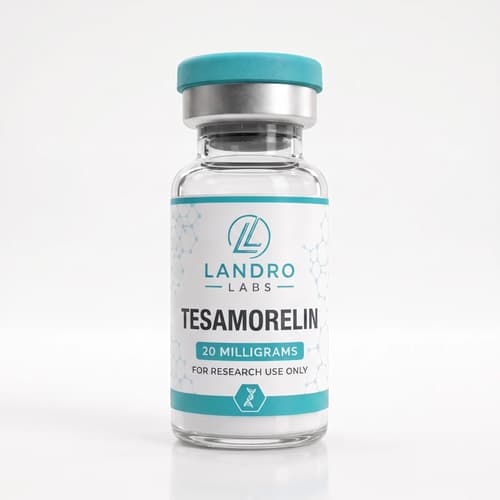
| Tesamorelin | GHRH analog | FDA-approved prescription drug for a specific HIV-related condition |
3. Why CJC-1295 and Ipamorelin Are Paired
Because one mimics GHRH and the other mimics ghrelin, they act on two different pathways that both lead to GH release. That's why research blends often combine them. Combining them doesn't make either compound approved or established as safe.
4. Risks and Side Effects Reported
- Changes in blood sugar and insulin sensitivity linked to raised GH and IGF-1
- Water retention, joint discomfort and tingling reported with elevated GH
- Increased appetite, especially with GHRP-6
- Unknown long-term effects, including on cell growth
- Variable purity and contamination risk in research products
5. FDA and WADA Status
CJC-1295, Ipamorelin and GHRP-6 are not FDA-approved, and the FDA has listed several GH secretagogues among bulk substances that may pose significant safety risks for compounding. WADA prohibits growth hormone releasing factors and GHRPs at all times. Only tesamorelin is an approved drug in this group, and only by prescription.
Read: Research Peptides Explained6. Why Clinical Evidence Matters
Much of the online discussion about these compounds relies on anecdotes, early-stage research and marketing. Early findings in small groups often fail to hold up in larger, well-controlled trials, and long-term safety data for unapproved peptides is very limited. Anyone considering products marketed this way should speak with a licensed healthcare provider about evidence-based options.
7. Sport Status
Tested athletes should note these compounds are prohibited by WADA.
Final Thoughts
CJC-1295, Ipamorelin and GHRP-6 are growth hormone secretagogues with some early human research but no FDA approval. They're flagged by the FDA, banned by WADA and carry real unknowns. Anyone concerned about growth hormone levels should see an endocrinologist rather than rely on research chemicals. This article is for general information only and is not medical advice. The compounds discussed are not approved by the FDA for human use and are sold for research purposes only. Talk to a licensed healthcare provider before making any decision about your health.
Frequently Asked Questions
- What is the difference between CJC-1295 and Ipamorelin?
- CJC-1295 mimics growth hormone-releasing hormone; Ipamorelin mimics ghrelin. Both signal GH release through different pathways.
- Is Ipamorelin FDA-approved?
- No. It was studied in clinical trials but never approved.
- Are GH peptides banned in sport?
- Yes. WADA prohibits growth hormone releasing factors and GHRPs at all times.
- Is any GH-releasing peptide approved?
- Tesamorelin is an FDA-approved prescription drug for a specific medical condition.
Shop Related Equipment
GH Research Peptides
CJC-1295, Ipamorelin and related compounds for laboratory research. Not for human consumption.