Bicep & Tricep Machine Workout: How to Train Arms at the Gym
Biceps pull, triceps push — opposing muscles that happen to pair perfectly on arm day. Here's how to structure a machine-based session for both.
Strength Equipment for Sale
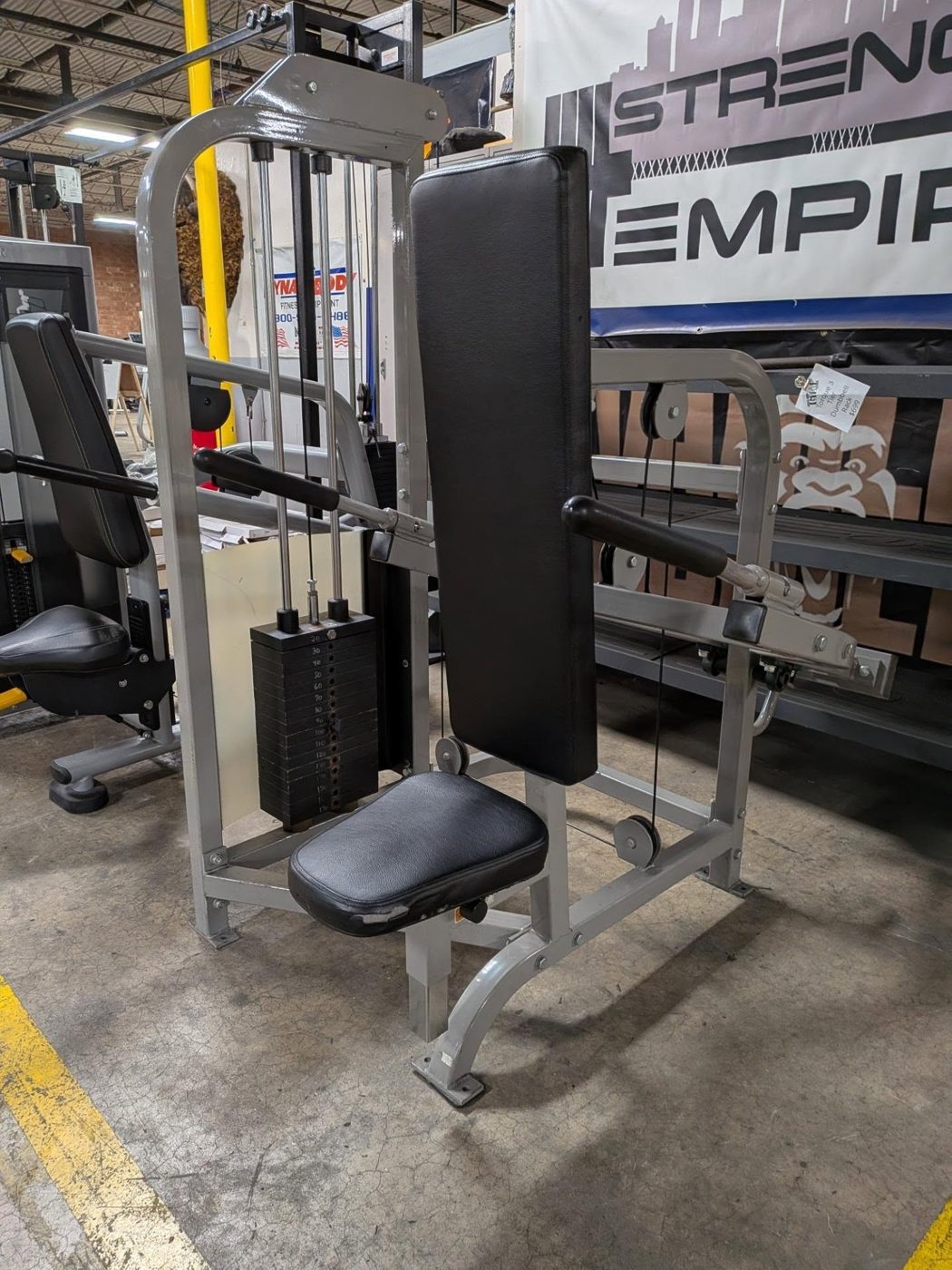
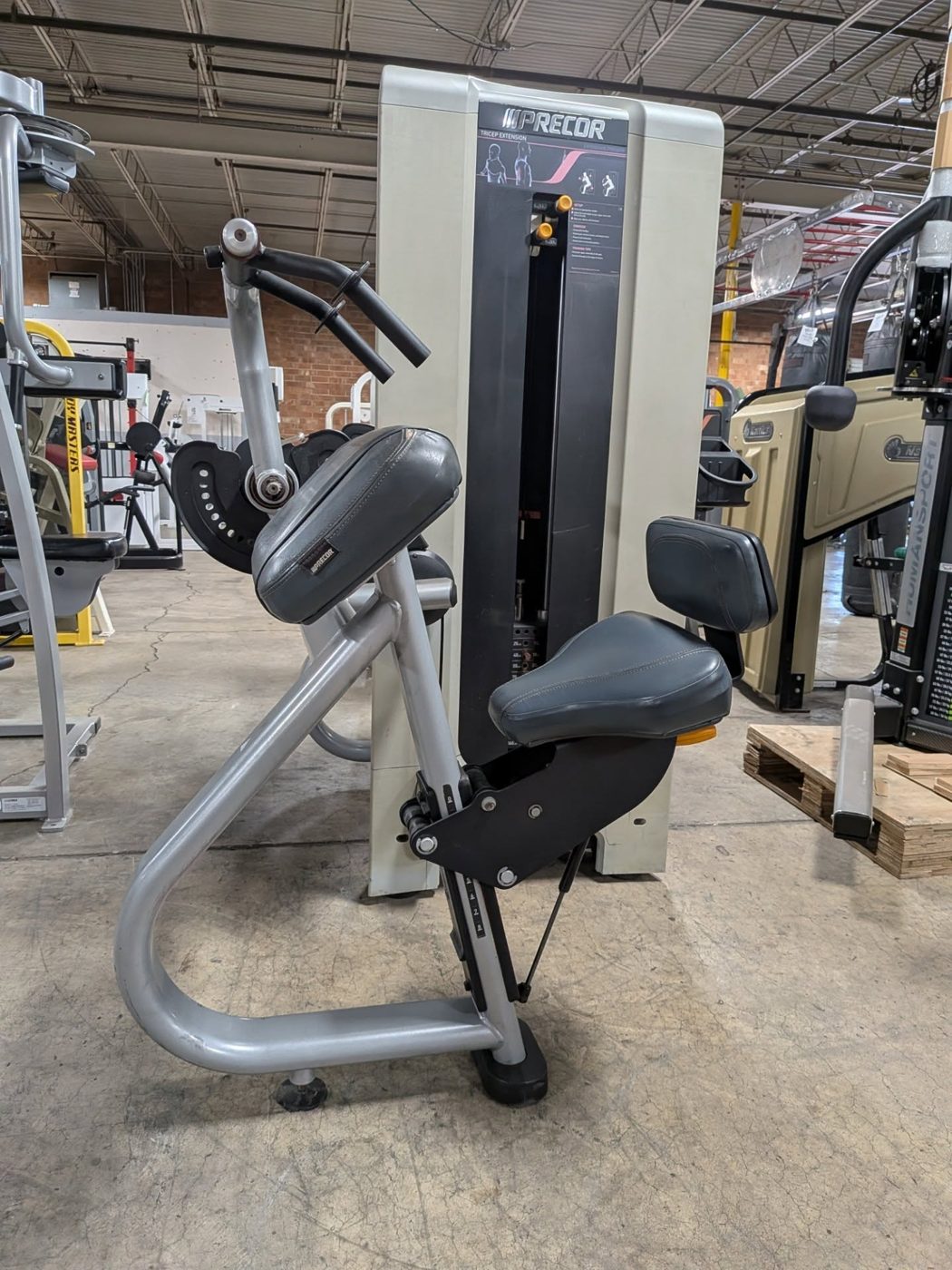
1. Biceps vs. Triceps: Opposing Muscles, Same Arm Day
The biceps flex the elbow — a pulling motion — while the triceps extend it, a pushing motion. They're functional opposites, which is exactly why training them back-to-back works so well: as one muscle fatigues, the other is fresh for its own exercises.
2. A Sensible Machine Order for Arm Day
- 1. Bicep curl machine or preacher curl — biceps while energy is highest
- 2. Tricep extension machine
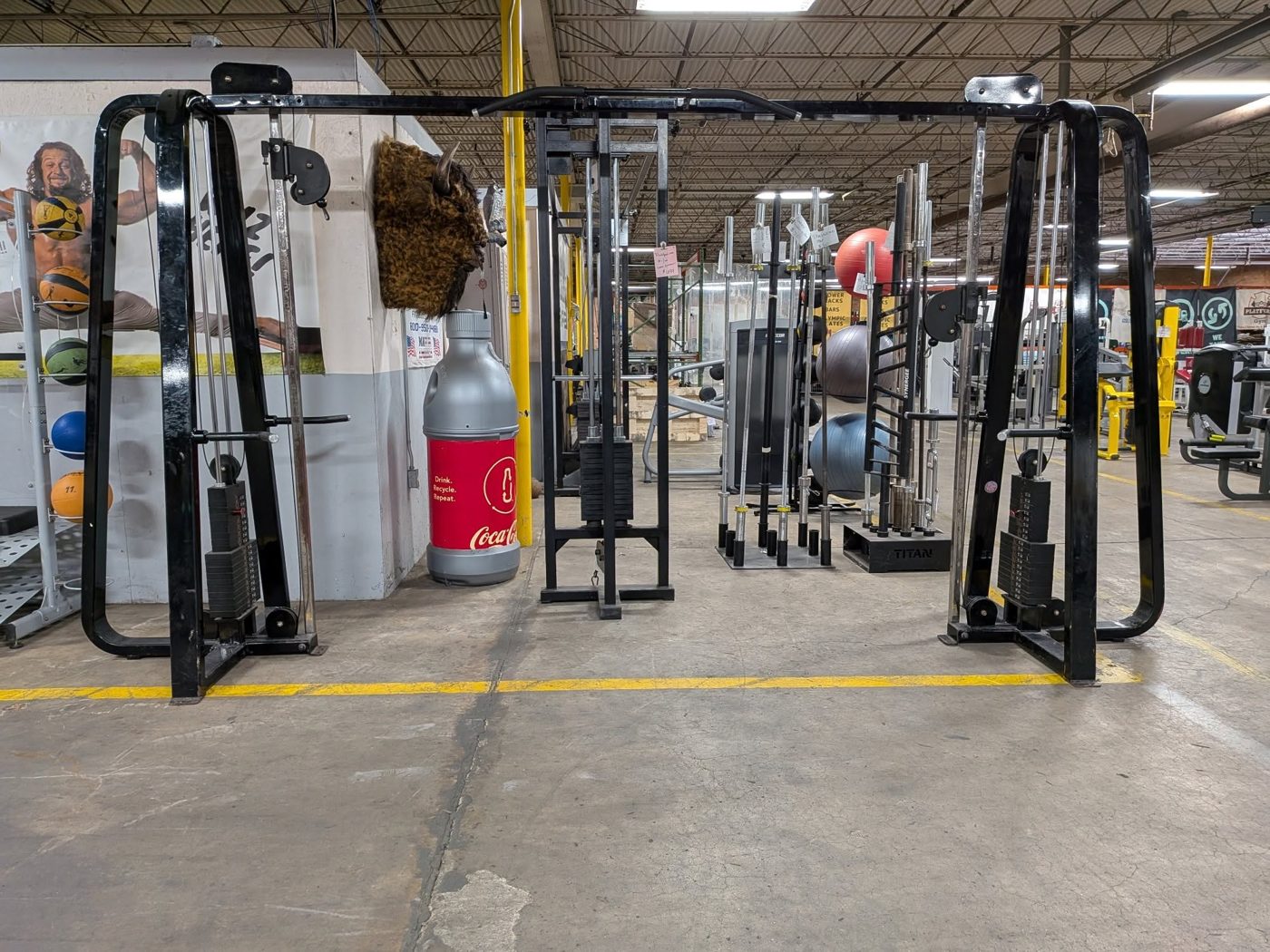
- 3. Cable curl on a functional trainer — biceps, continued tension
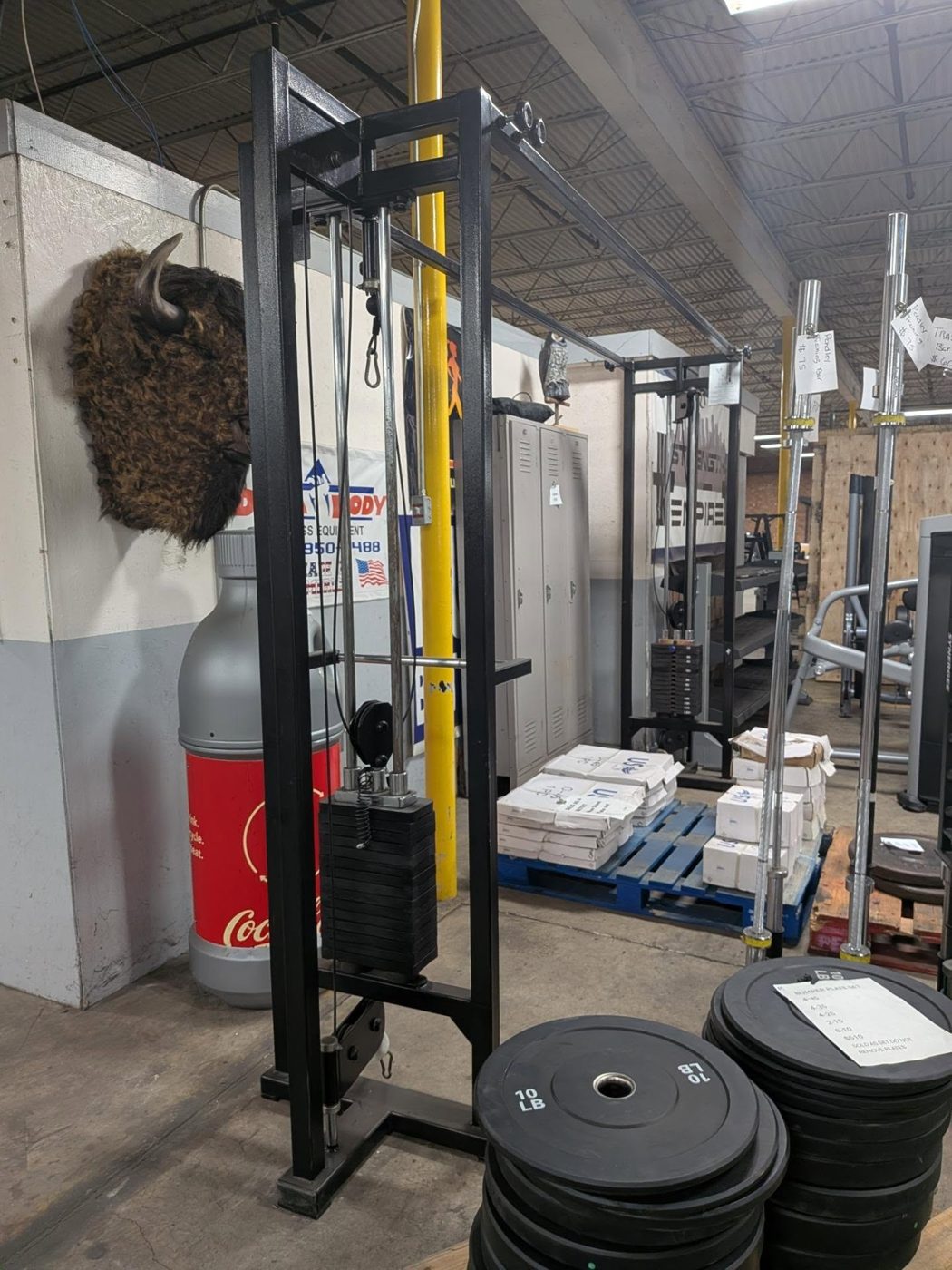
- 4. Tricep pushdown on a cable
3. How Many Exercises and Sets
There's no single right number, but a common structure for a machine-based arm day covers two to three exercises per muscle group, with a few sets each — enough to train both biceps and triceps thoroughly without the session running long.
4. Alternating vs. Grouping Bicep and Tricep Exercises
There are two common ways to sequence this session: grouping all bicep exercises first and all tricep exercises after, or alternating between one bicep and one tricep exercise throughout. Alternating lets one muscle group rest while you work the other, which can mean less total downtime in the session, while grouping keeps the focus fully on one muscle at a time. Neither is objectively better — it comes down to which keeps you moving through the session more efficiently on a given day.
5. Arms as Part of a Push/Pull Split
In a push/pull split, biceps are traditionally trained on pull day (alongside back) and triceps on push day (alongside chest and shoulders), since each assists the larger muscle group's movement pattern. A dedicated arm day combining both, as covered here, is an equally common and effective alternative — it just groups the two smaller muscle groups together instead of splitting them across other sessions.
Read: Chest, Shoulder & Arm Machine Workout6. Recovery Between Arm Sessions
Biceps and triceps are smaller muscle groups than chest, back or legs, and they also get indirect work whenever you train those larger muscles — biceps assist on rows and pulldowns, triceps assist on presses. That indirect volume is worth factoring in when deciding how often to schedule a dedicated arm day, since stacking direct arm training too close to heavy pressing or pulling sessions can add up to more total fatigue on these smaller muscles than it first appears.
7. Warming Up the Elbow Joint
The elbow is the joint doing most of the work across an entire arm session, whether it's flexing on curls or extending on pushdowns, which makes a brief warmup worth the couple of minutes it takes. Light arm circles and a lighter warmup set on the first exercise prepare the joint and connective tissue for repeated loading before working weight, reducing strain across a session that's entirely built around one joint's repeated motion.
8. Adjusting the Session for Beginners vs. Experienced Lifters
Beginners typically get more value from machine-based isolation work exclusively, since it removes the technique demands of free-weight curls and extensions while still building the mind-muscle connection that makes arm training effective. Experienced lifters often add free-weight curls or close-grip pressing into the same session, using machines specifically for isolation work at the end once the free-weight portion of the session is complete.
9. Tracking Progress on an Arm Day
Because biceps and triceps are smaller muscles that improve more slowly in visible size than larger muscle groups, tracking the actual numbers — weight, sets and reps on each machine — matters more here than relying on how the mirror looks week to week. A simple log makes it clear when it's time to increase resistance versus when a lift has plateaued, which keeps the session honest about progress even when visible change is gradual.
10. Signs Your Arm Day Needs Adjusting
If grip fatigue from earlier bicep work is limiting how much weight you can handle on tricep exercises, or vice versa, adjusting the order or resting slightly longer between muscle groups can help. If the session consistently runs longer than planned, trimming to two well-executed exercises per muscle group beats rushing through four to fit a time constraint.
11. Building This Session in a Home or Commercial Gym
A preacher curl bench and a cable station or functional trainer cover this entire arm session in a compact footprint, whether you're setting up at home or outfitting a commercial floor.
Shop Strength Equipment12. Equipment Checklist for a Complete Arm Day
- A preacher curl bench or seated curl machine for biceps
- A tricep extension machine or cable station with a pushdown attachment
- A functional trainer or cable machine for curl and pushdown variety
- An adjustable bench, useful for supported curl variations
Final Thoughts
Biceps and triceps are opposing muscles that happen to complement each other perfectly in one session — train the larger movement first, keep the isolation work controlled, and rotate machines as needed for equipment access.
Frequently Asked Questions
- Can I train biceps and triceps on the same day?
- Yes — it's a common and effective approach precisely because they're opposing muscle groups; one stays relatively fresh while the other works.
- What's the difference between bicep and tricep training?
- Biceps flex (pull) the elbow, while triceps extend (push) it. They sit on opposite sides of the upper arm and require different movement patterns to train.
- How many exercises do I need for a full arm workout?
- A common structure covers two to three exercises per muscle group — enough volume for both biceps and triceps without an overly long session.
- Should arms be trained with push or pull day?
- Traditionally biceps pair with pull day and triceps with push day, but a dedicated arm day training both together is an equally common and effective alternative.
- Should I alternate or group bicep and tricep exercises?
- Both work — alternating lets one muscle rest while the other works, reducing downtime, while grouping keeps full focus on one muscle at a time. Pick whichever keeps you moving efficiently through the session.
- How often should I do a dedicated arm day?
- It depends on how much indirect arm work you're already getting from pressing and pulling sessions, since biceps and triceps assist on those movements too — factor that into how much direct arm volume you add on top.
- Do I need to warm up before an arm workout?
- Yes — light arm circles and a lighter warmup set on the first exercise help prepare the elbow joint, which does most of the work across an entire bicep and tricep session.
- Should beginners use machines or free weights for arm training?
- Machines are often a better starting point for beginners since they remove the technique demands of free-weight curls and extensions. Experienced lifters often add free weights alongside machine isolation work.
- Do I need to track my arm workouts to see progress?
- It helps — biceps and triceps are smaller muscles that improve more slowly in visible size, so tracking weight, sets and reps on each machine gives a clearer picture of progress than relying on how the mirror looks.
- What if my grip is too fatigued to finish tricep exercises after biceps?
- Try adjusting the order or resting slightly longer between muscle groups — grip fatigue carrying over between bicep and tricep exercises is a common and easily fixed issue with session structure.
- Is a dedicated arm day necessary, or is indirect training enough?
- It depends on your goals — biceps and triceps get meaningful indirect work from pressing and pulling sessions, so a dedicated arm day is most useful for anyone specifically prioritizing arm size or strength beyond what indirect work provides.
- What equipment covers this entire session in the smallest footprint?
- A preacher curl bench paired with a single cable station or functional trainer covers biceps and triceps in a genuinely compact footprint, since the cable station alone handles both curl and pushdown variations.
- Is it normal for one arm to be stronger than the other during training?
- Yes, minor strength differences between arms are common — single-arm cable attachments let you address this directly by training each side independently rather than always lifting symmetrically.
- Can I combine this arm session with a chest and shoulder workout?
- It's possible on the same day, but most routines separate them to manage total fatigue — pairing biceps and triceps together on their own day keeps each session focused and manageable.
Shop Related Equipment
Ready to Build Your Arm-Day Setup?
Browse bicep, tricep and strength machines from verified sellers.