
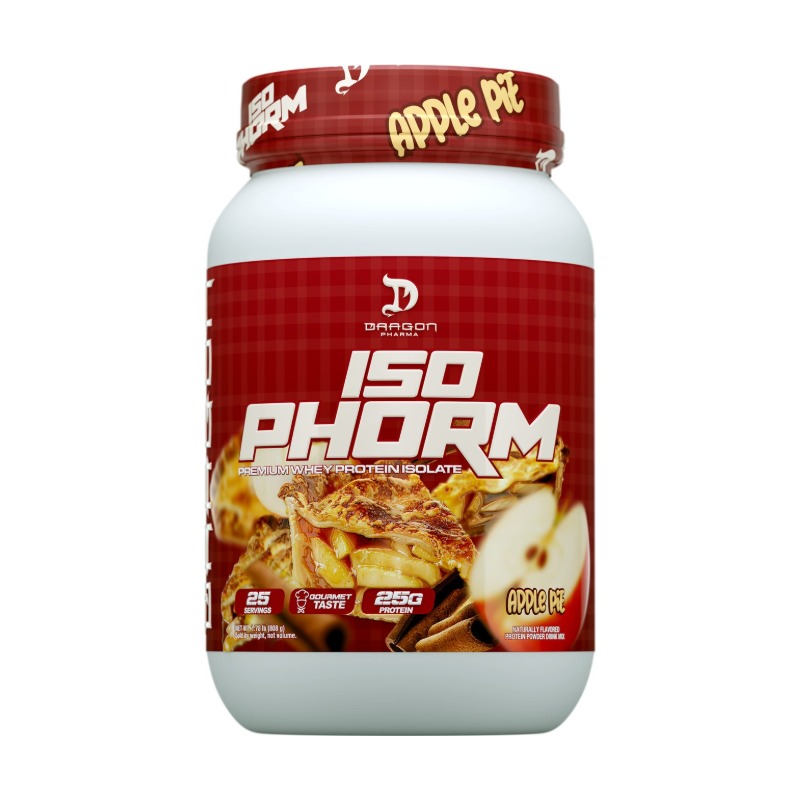
Is Protein Powder Safe? Heavy Metals and Third-Party Testing
Protein powder is generally safe, but quality varies. Here's what to know about heavy metals and third-party testing.
Protein Powders
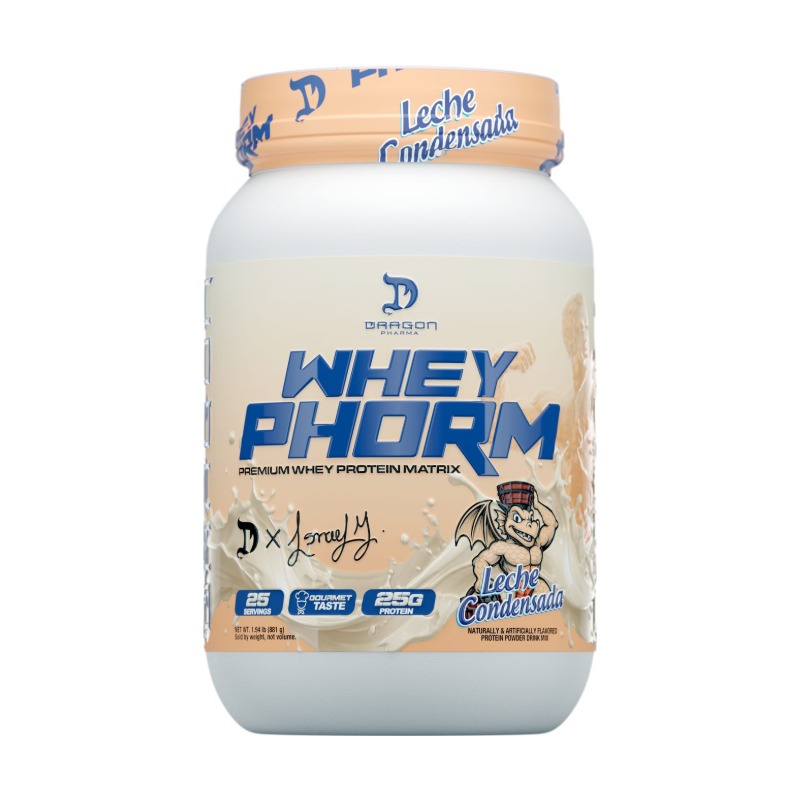
1. Is Protein Powder Safe for Most People?
For healthy adults, protein powder is a safe and convenient food. The main concerns aren't about protein itself, but about product quality: contamination with heavy metals, undeclared ingredients and inaccurate labels. In the US, supplements are not approved by the FDA before they're sold, so manufacturers are responsible for safety and quality.
2. What About Heavy Metals?
Independent testing by consumer groups has found measurable lead and other metals in some protein powders, with plant-based and chocolate products often testing higher. Plants absorb metals from soil, and cocoa naturally contains some. Levels vary widely between brands and batches.
3. How to Choose a Safer Protein Powder
- Choose third party tested protein: NSF Certified for Sport, Informed Choice or Informed Sport
- Look for brands that publish heavy metal test results or certificates of analysis
- Rotate brands or flavors rather than relying on one product heavily
- Avoid proprietary blends and products with drug-like claims
- Buy from reputable retailers to avoid counterfeits
4. Who Should Be Cautious
- People with kidney disease should discuss protein intake with their doctor
- Pregnant and nursing people should be especially careful about contaminants
- Anyone with milk, soy or other allergies should check labels
5. Protein Powder and Digestion
Some people experience bloating or gas from protein powders, often due to lactose, sugar alcohols or gums. Switching to whey isolate or plant protein can help. Introducing protein powder gradually and drinking enough water also supports digestion.
6. How Much Protein Powder Is Safe Per Day?
For most healthy adults, one to two servings per day alongside a balanced diet is reasonable. Relying on many shakes daily may crowd out whole foods that provide fiber and micronutrients. People with medical conditions should follow their doctor's advice.
7. Our Recommendation
Choose tested products, buy from authorized sellers and use protein powder as a supplement to whole foods.
8. Final Tip
Store protein powder in a cool, dry place, seal it tightly and use it before the expiration date for the best quality and safety.
9. Protein Powder for Kids
Children rarely need protein powder; most meet their needs through food. Ask a pediatrician first.
10. Protein Powder for Teens
Active teens can use protein powder occasionally to fill gaps, but most meet their needs through regular meals. Choose third-party tested products, avoid 'muscle building' blends with added stimulants or hormones and involve a parent or doctor in the decision.
Final Thoughts
Protein powder is safe for most healthy adults, but quality varies. Choose third-party tested products, look for published heavy metal results, rotate products and buy from trusted sellers. Whole foods should still provide most of your protein. This article is for general information only and isn't medical advice. Talk to a doctor or registered dietitian before starting a supplement, especially if you're pregnant or nursing, take medication or have a health condition.
Frequently Asked Questions
- Does protein powder damage your kidneys?
- Research hasn't shown harm in people with healthy kidneys. Those with kidney disease should consult a doctor.
- Which protein powders have the least heavy metals?
- Results vary by batch. Choose brands that test and publish results; whey often tests lower than plant protein.
Shop Related Equipment
Shop With Confidence
Factory-sealed supplements from trusted brands.