
Non-Motorized Treadmills: Curved, Self-Powered and Sled Trainers Explained
Non-motorized treadmills burn more calories and need no outlet. Here's how curved, flat and sled-style self-powered treadmills compare.
Treadmills & Performance Trainers for Sale
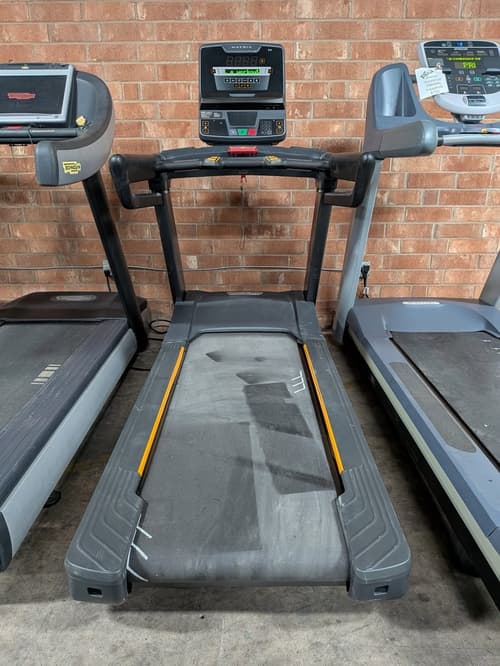
1. What Is a Non-Motorized Treadmill?
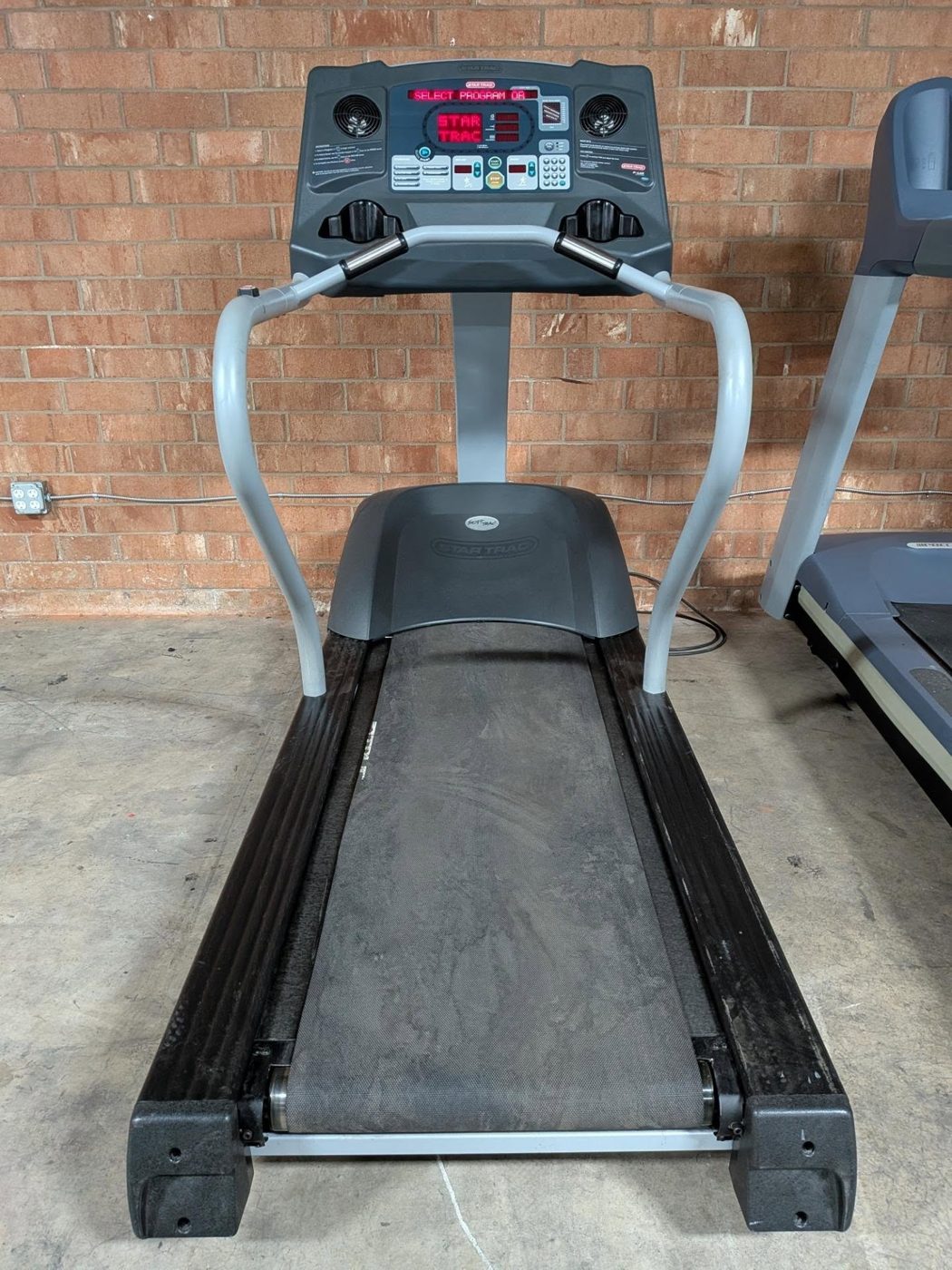
A non-motorized treadmill is one you power yourself: the belt moves only when you walk, run or push it. Without a motor setting the pace, you work harder at the same speed, the machine responds instantly when you sprint or slow down, and the belt itself typically doesn't need a wall outlet.
2. Types of Self-Powered Treadmills
| Type | How It Works | Best For |
|---|---|---|
| Curved treadmill | A curved deck; moving forward on the curve speeds the belt up | Sprinting, HIIT, running form |
| Flat manual treadmill | A basic flat belt you push with your stride | Light walking on a budget |
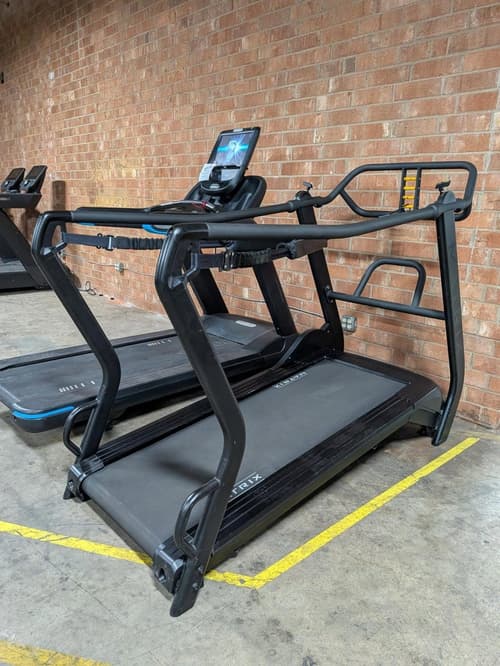
| Sled-style trainer (Matrix S-Drive) | Self-powered belt with adjustable braking and push handles | Sled pushes, parachute sprints, power |
3. Pros and Cons
- Pro: higher effort and calorie burn at the same speed
- Pro: instant speed changes, ideal for intervals
- Pro: typically no outlet needed for the belt and fewer motor parts to fail
- Con: harder for slow, steady walking than a motorized treadmill
- Con: premium commercial models are expensive new
4. Where the Matrix S-Drive Fits
The Matrix S-Drive is a non-motorized trainer with a twist: adjustable braking resistance and sled-push handles. It can feel like a free-running treadmill at low resistance or a heavy sled at high resistance, so it covers far more training than a basic manual treadmill.
Read: Matrix S-Drive Guide5. Buying Tips
Choose a curved treadmill for running and sprint work, a sled-style trainer like the S-Drive for power and athletic training, and a motorized treadmill if you mostly walk or jog steadily. Used commercial self-powered treadmills offer big savings; check the belt, bearings and braking system before you buy.
Read: How to Choose a Treadmill6. Who Benefits Most From a Non-Motorized Treadmill
Non-motorized treadmills suit athletes training sprint mechanics, gyms that run high-intensity interval classes and anyone who wants a machine that never needs an outlet. They also encourage a more natural running gait because the belt only moves when you push it. Beginners should start with short intervals since the effort can feel much higher than on a motorized treadmill at the same speed.
7. Maintenance Advantages
With no motor or electronics to burn out, many non-motorized treadmills need less maintenance than motorized models, and slat-belt designs can run for years with periodic cleaning and bearing checks.
8. Getting Started
Begin with short walking intervals to learn how the belt responds before you sprint.
Final Thoughts
Non-motorized treadmills make every step count. Curved treadmills are the sprint specialists, flat manual models are a budget option, and sled-style trainers like the Matrix S-Drive add push and parachute training. Pick based on how you train, and consider used commercial units to save money.
Frequently Asked Questions
- Is a non-motorized treadmill better?
- It's better for sprints and HIIT and burns more at the same speed. A motorized treadmill is easier for steady walking.
- Do non-motorized treadmills need electricity?
- The belt doesn't, because you power it. Some consoles use batteries or self-generated power.
- Is the Matrix S-Drive a non-motorized treadmill?
- Yes, it's self-powered, with adjustable braking resistance and handles for sled-style pushes.
Shop Related Equipment
Shop Treadmills
Browse used motorized and self-powered treadmills from verified sellers.