Used & Discount Gym Equipment: How to Save Without Sacrificing Quality
Clearance sales, gym liquidations, floor models and private sellers — here's where discounted gym equipment actually comes from, and how to buy it safely.
Used & Discounted Equipment
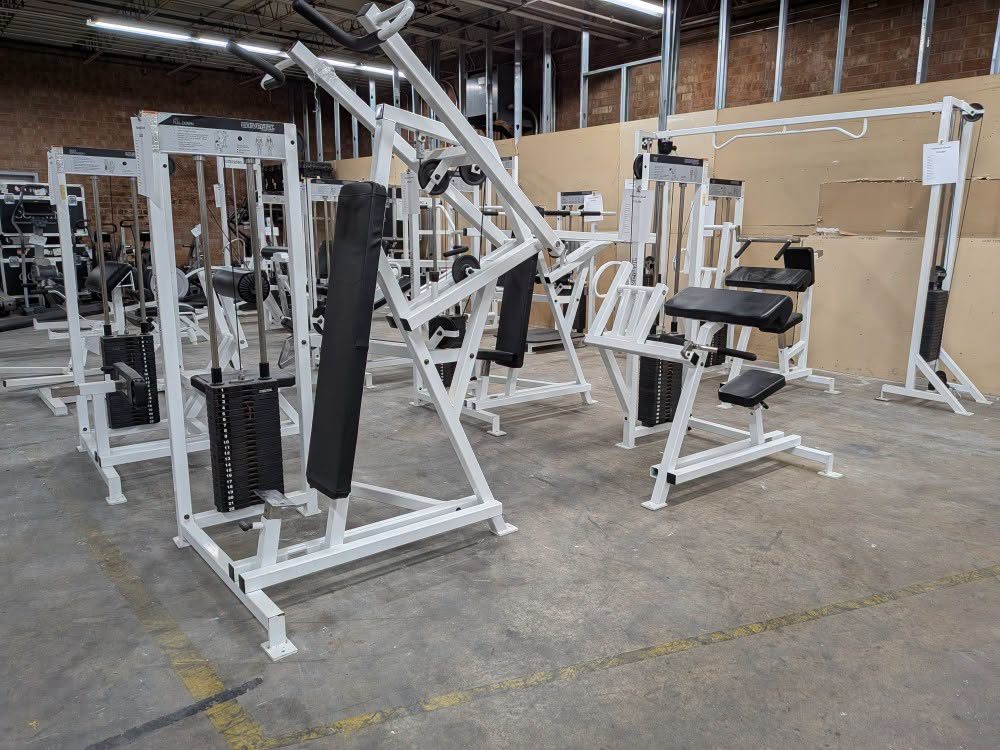
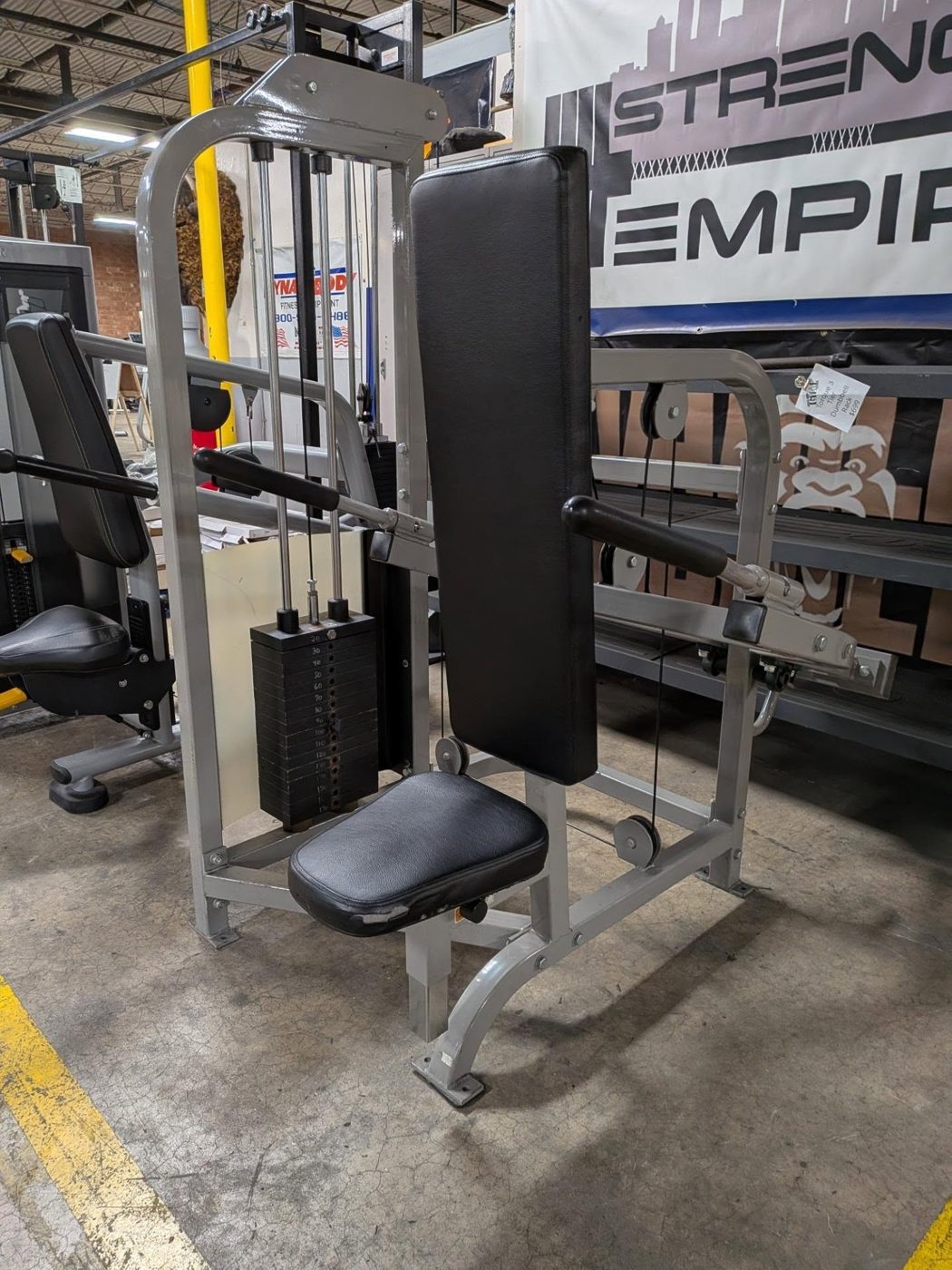
1. Where Discounted Gym Equipment Comes From
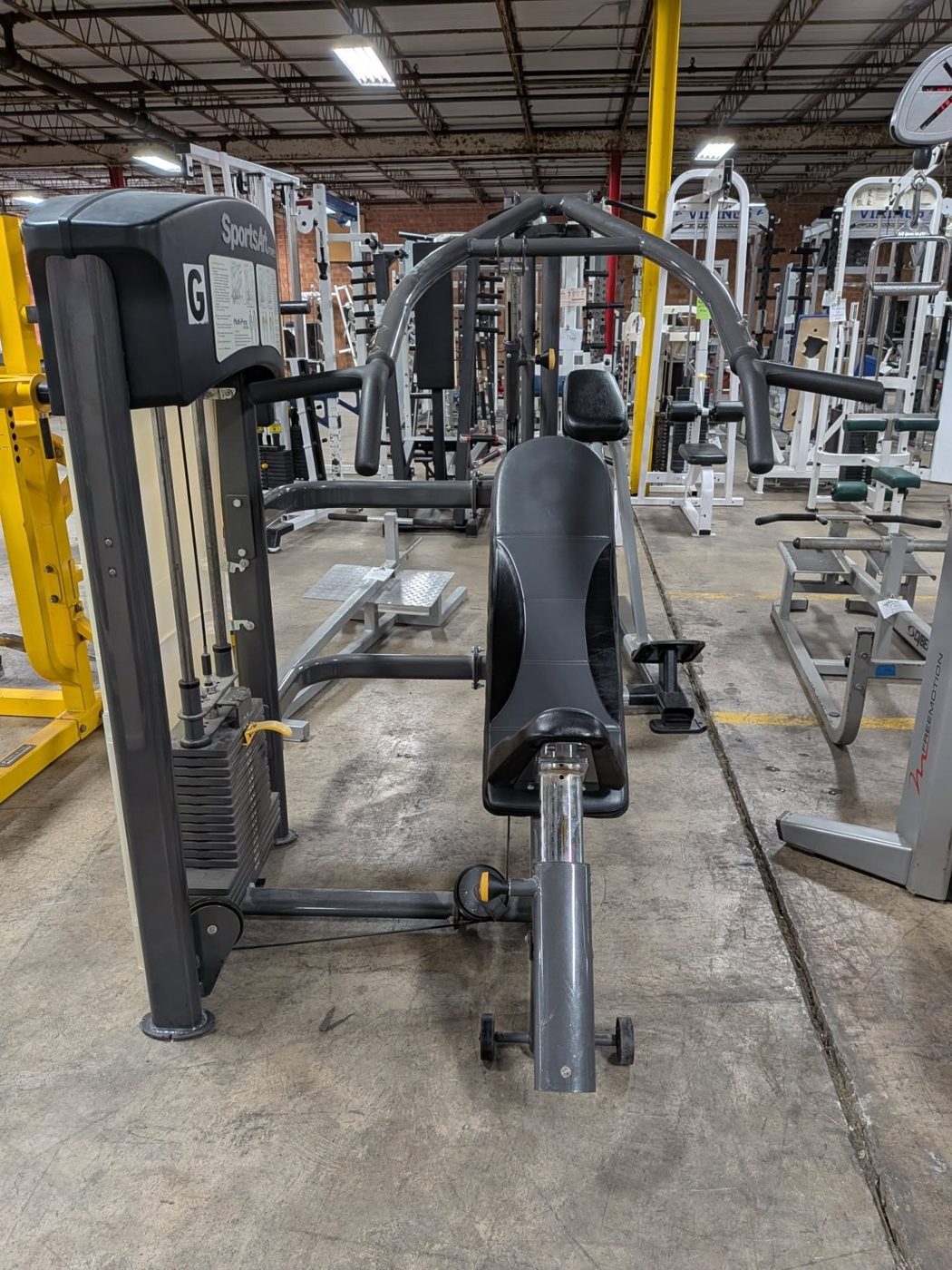
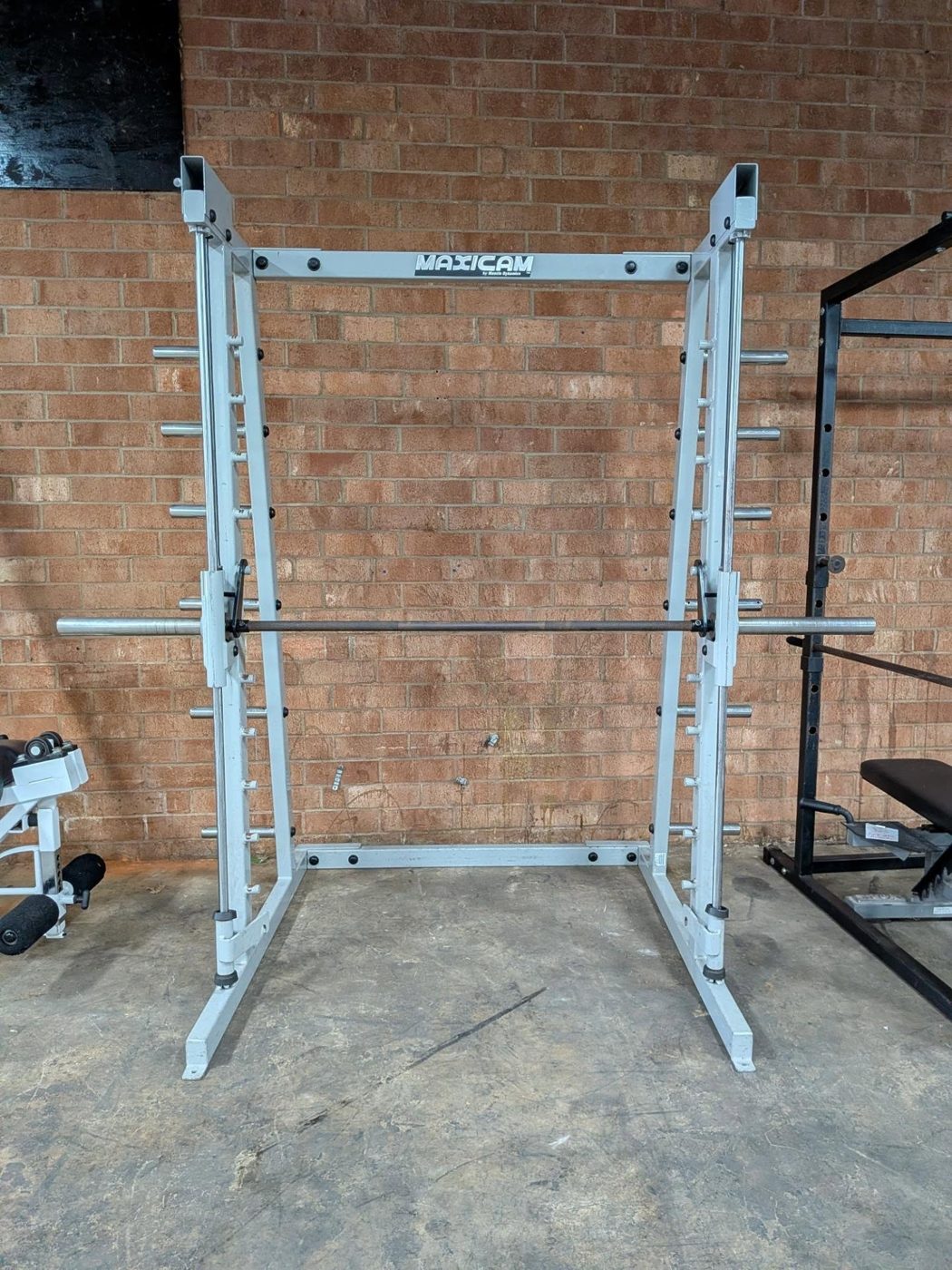
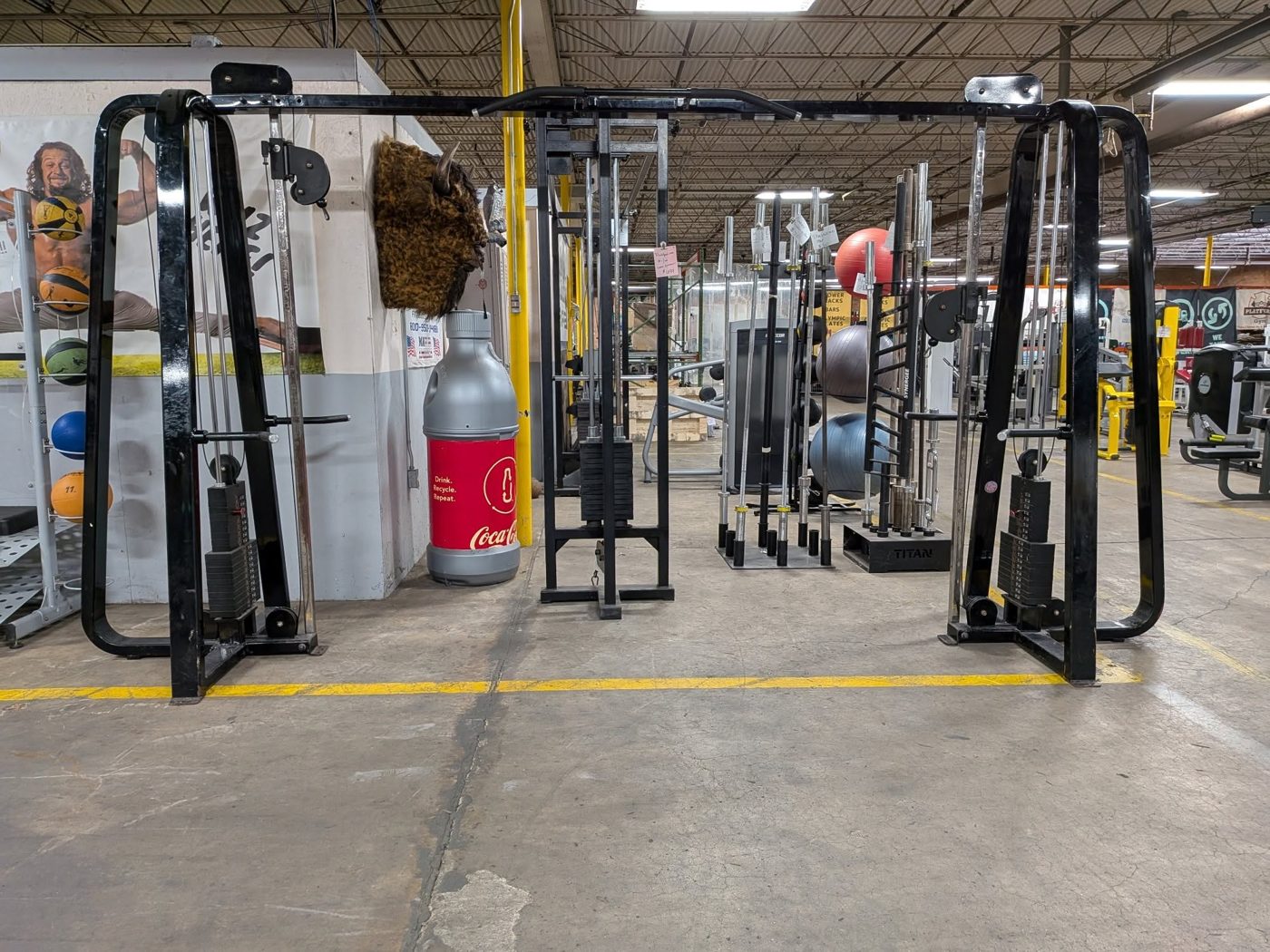
Discounted equipment isn't random — it comes from a handful of predictable sources, and knowing which one you're buying from tells you what to check.
- Gym or studio closures and liquidations — often the largest discounts, sold in bulk
- Floor and display models — lightly used demo units sold once a showroom cycles stock
- End-of-season or clearance sales — sellers moving older inventory to make room
- Upgrades and trade-ins — facilities replacing working equipment with newer models
- Private sellers — individuals or small studios selling directly, usually as-is
2. Why Timing Matters When Shopping for Discounted Equipment
Discount inventory turns over on its own schedule, not the buyer's. Gym liquidations and studio closures happen in clusters — often around lease renewals or seasonal slowdowns — while floor and display models clear out when a showroom refreshes its lineup, typically around new product launches. Watching listings over a few weeks rather than buying the first thing you see gives a real sense of what's a genuine deal versus standard pricing for that condition grade.
That patience pays off most on higher-ticket items — full equipment packages, plate-loaded machines and commercial cardio — where price differences between listings can be substantial even within the same condition grade.
3. Used vs. Refurbished vs. Clearance — What's the Difference
| Type | What It Means | What to Check |
|---|---|---|
| Used | Sold as-is by a previous owner | Wear on moving parts, cables and upholstery |
| Refurbished | Cleaned, serviced and often re-certified by a dealer | What the refurbishment included, and warranty terms |
| Clearance | New or lightly used, discounted to move inventory | Why it's discounted — often just older stock, not damage |
4. What to Check Before Buying Used or Discounted Equipment
The discount only holds up if the equipment actually works the way it should. Run cardio machines through several minutes of use, cycle a selectorized stack through its full range, and look closely at welds and bearings on plate-loaded equipment before agreeing to buy.
See the Full Inspection Checklist5. Red Flags That Mean Walk Away From a Deal
Not every discount is a bargain, and a handful of warning signs are worth treating as deal-breakers rather than negotiating points. A seller who won't answer specific questions about wear, won't provide extra photos, or pressures you to pay quickly before you can inspect is a bigger risk than the machine itself. On the equipment side, rust or corrosion on structural welds, a cardio belt that hesitates or slips under load, and cables with visible fraying are mechanical issues that typically cost more to fix than the discount is worth.
- Seller won't answer specific condition questions or provide more photos
- Pressure to pay immediately, before you can inspect or ask questions
- Rust or corrosion on structural welds or frame joints
- A cardio belt that hesitates, slips, or makes noise under load
- Frayed or visibly worn cables on a selectorized machine or functional trainer
6. Negotiating and Closing the Deal
Get any promises about condition, warranty or included accessories in writing before paying, and confirm the actual delivery cost — freight on heavy equipment can erase a discount if it's not factored in up front.
7. Total Cost: Comparing a Discounted Buy Against New
A discount only counts once every real cost is added in, and it's easy to compare sticker prices instead of total cost. Freight on heavy equipment, any repairs identified during inspection, and delivery extras like liftgate or inside delivery all belong in the comparison against a new equivalent, which usually comes with predictable shipping and full warranty coverage built into the price.
| Cost Factor | Used/Discounted | New |
|---|---|---|
| Purchase price | Lower, varies by condition | Higher, fixed by dealer |
| Freight/delivery | Same market rate, quoted separately | Same market rate, quoted separately |
| Repairs/parts | Possible, depends on condition | Rare, covered by warranty |
| Warranty | Varies — often none on private sales | Full manufacturer coverage |
8. How to Verify a Seller Before You Buy
A good discount is only as good as the seller behind it. For a dealer or refurbisher, look for a real business history, a physical address or showroom, and reviews or references from past buyers rather than just a listing with no other footprint. For a private seller — a gym, studio or individual — ask why they're selling and how long they've owned the equipment; a straightforward answer with specifics is a good sign, while vague or evasive responses are worth treating cautiously.
For any higher-value purchase, a video call or a walk-through video of the equipment running is a reasonable ask before you commit to freight costs on something you haven't seen in person.
9. Discounted Equipment for Commercial vs. Home Buyers
The calculation shifts depending on who's buying. A gym owner filling several stations at once benefits most from liquidation lots and bulk discounts, where the savings scale with volume — but also carries more risk if the inspection process is rushed on a large purchase. A home buyer picking up one or two pieces has more room to be selective, wait for the right listing, and personally inspect before paying, since the stakes and shipping costs on a single item are lower.
Read: Commercial Gym Equipment for Sale10. Bundling Multiple Pieces for a Better Deal
Sellers moving a full liquidation lot or several floor models at once are often more open to a discount on the combined purchase than on any single item, since selling everything in one transaction saves them the time and effort of listing pieces individually. If you're planning to buy more than one item from the same seller, ask about a bundle price before negotiating each piece separately.
11. Where to Find Discounted Gym Equipment
Used and discounted listings turn over regularly as gyms and studios upgrade their floors, so it's worth checking back rather than buying the first listing you see.
Shop Used Gym EquipmentFinal Thoughts
A discount only pays off if the equipment holds up. Know where the deal is coming from, inspect it properly, and get any promises in writing — that's what separates a genuine bargain from a costly mistake.
Frequently Asked Questions
- Is used gym equipment safe to buy?
- Yes, when it's inspected properly first. Run cardio equipment, cycle strength machines through their full range, and check welds and cables before buying.
- What's the difference between used and refurbished equipment?
- Used equipment is sold as-is by a previous owner. Refurbished equipment has been cleaned, serviced and often re-certified by a dealer, sometimes with a warranty attached.
- Do discounted machines come with a warranty?
- It varies by seller — refurbished equipment commonly carries a warranty from the refurbisher, while private sales are often sold as-is. Warranty terms are stated on each listing.
- Where do gym liquidation sales come from?
- Typically from gyms or studios that are closing, relocating or upgrading their equipment, which is why liquidation sales often include larger quantities at once.
- What are the biggest red flags when buying discounted equipment?
- A seller unwilling to answer specific condition questions, pressure to pay before you can inspect, rust on structural welds, and cables or belts showing visible wear are all reasons to walk away rather than negotiate.
- Is a discounted price always cheaper than buying new?
- Not automatically — factor in freight, any repairs found during inspection, and the lack of a full warranty on most used sales before comparing the total cost against a new equivalent.
- How can I tell if a seller is trustworthy before buying discounted equipment?
- Look for a real business history and references for dealers, and a straightforward, specific answer about why they're selling for private sellers. A video walk-through of the equipment running is reasonable to request on a higher-value purchase.
- Can I negotiate a discount on multiple pieces from the same seller?
- Often, yes — sellers moving several items at once, such as a liquidation lot, are frequently more open to a bundle price than to negotiating each piece separately, since it saves them time and listing effort.
- How much can I realistically save buying discounted gym equipment?
- It varies by source and condition — liquidation and clearance lots typically offer the steepest discounts, while lightly used floor models save less but carry less risk. Compare total delivered cost, not just the listing price, before judging the savings.
- Are floor models the same as used equipment?
- Not quite — floor models are lightly used demo units sold once a showroom cycles stock, typically with less wear than equipment sold by a gym or private owner after months or years of real training use.
Shop Related Equipment
Ready to Find a Great Deal?
Browse used and discounted gym equipment from gyms, studios and private sellers.