Plate-Loaded Machines: How They Work and How They Compare to Weight Stacks
Plate-loaded machines trade a pin-selected weight stack for free weight plates you load yourself — here's how that changes the way they feel, fit and hold up over time.
Plate-Loaded Machines for Sale
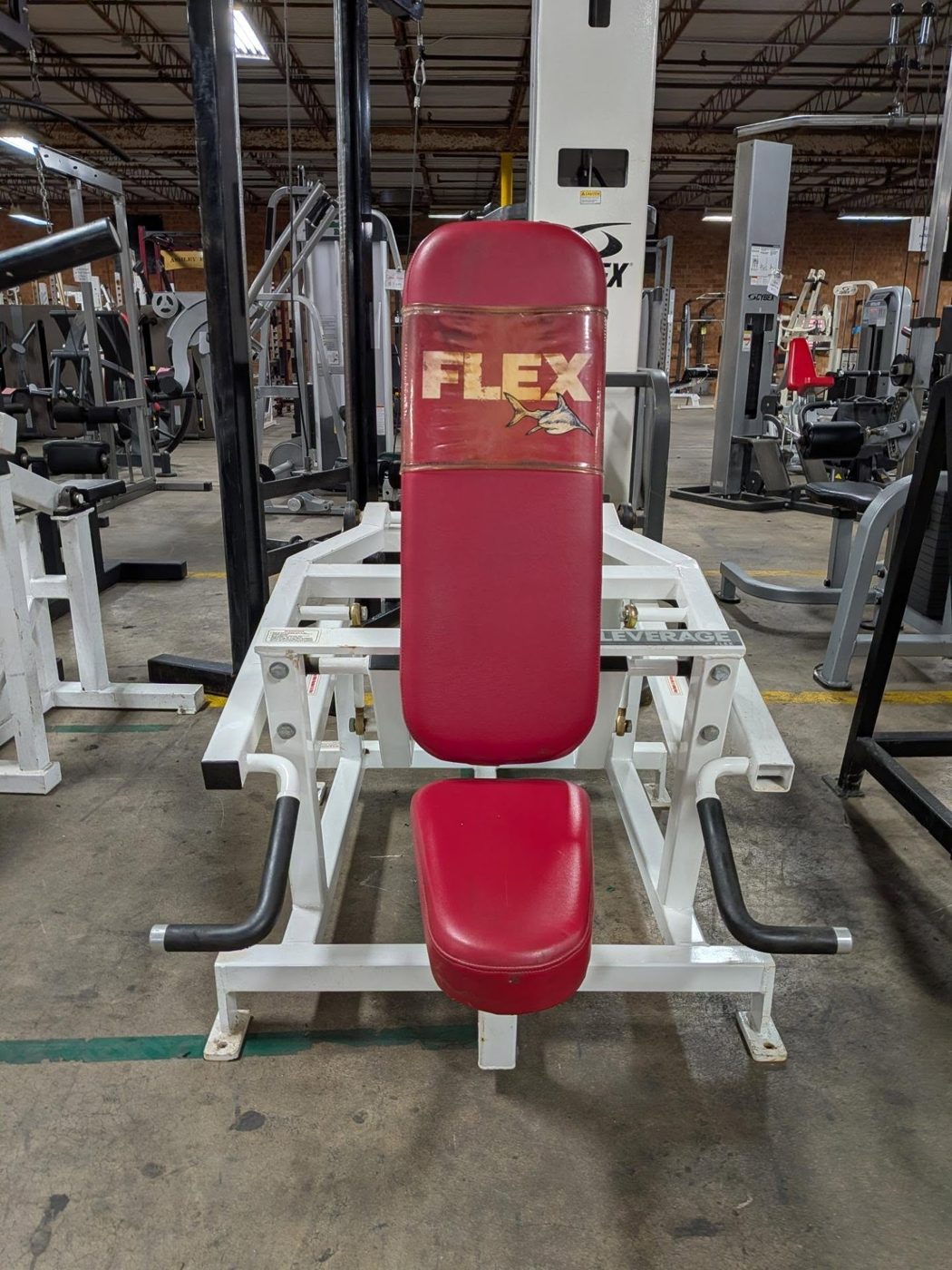
Flex Fitness
Flex Fitness Leverage Shrug Machine
Condition: Very Good
$3,999
Brooklyn, New York
View Details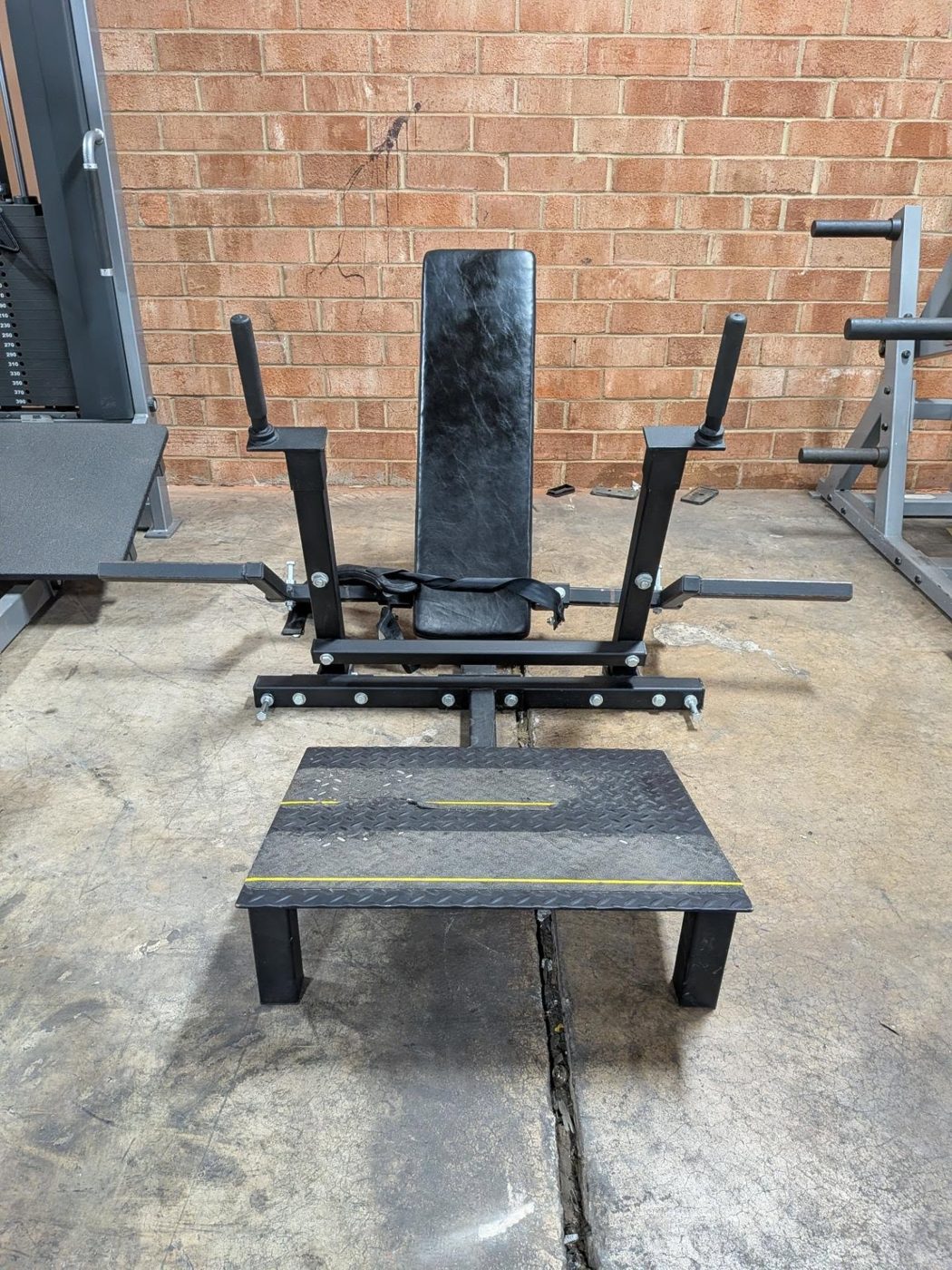
Commercial Grade
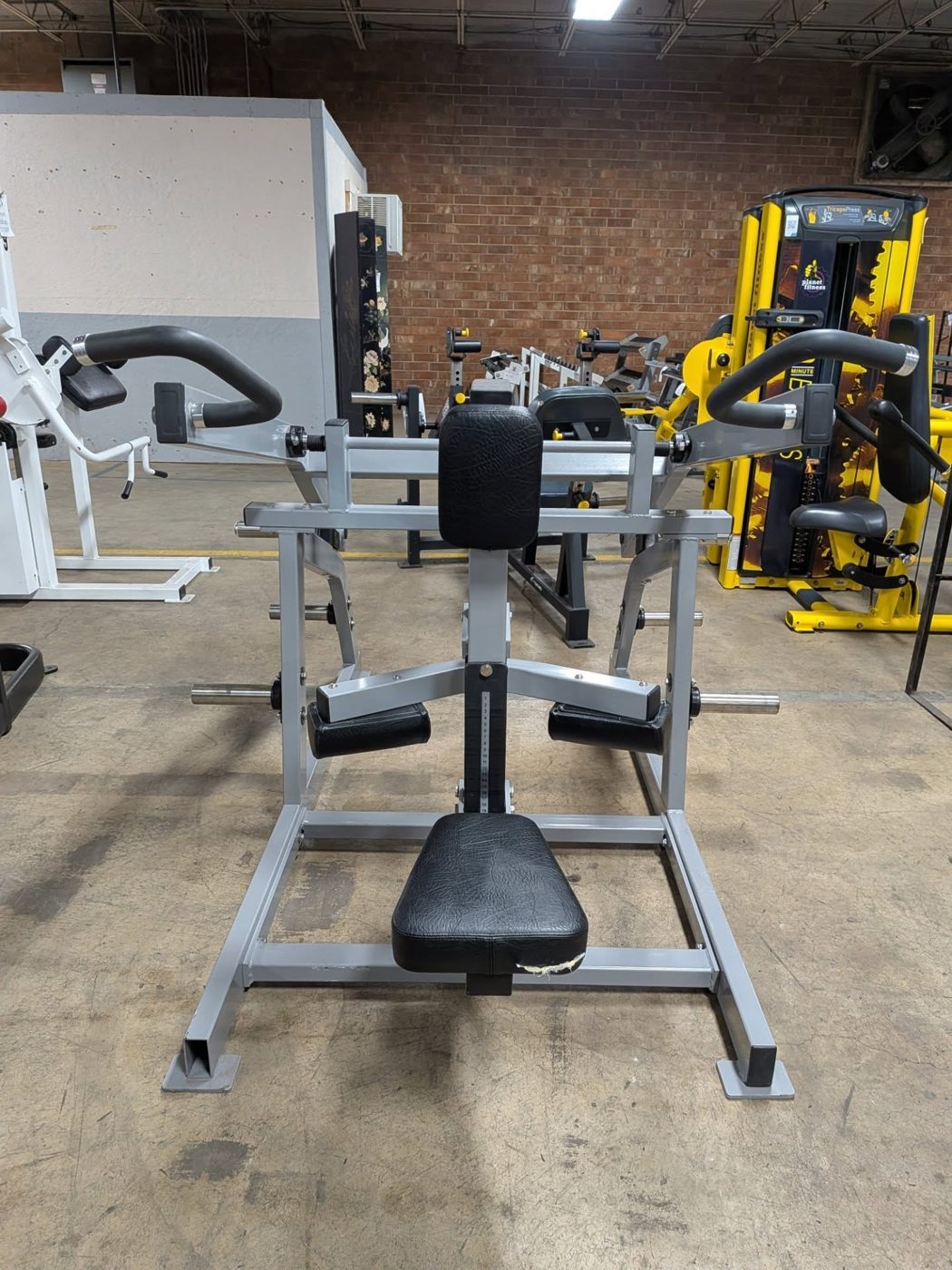
Silver Plate Loaded Seated Tricep Machine
Condition: Very Good
$1,000
Dallas, Texas
View Details1. What Is a Plate-Loaded Machine?
A plate-loaded machine is a strength machine that gets its resistance from free weight plates you slide onto a loading post or sleeve, rather than from a pin-selected weight stack built into the frame. You load whatever plates you have on hand — typically standard or Olympic-style plates — directly onto the machine's posts, and the machine's lever, cam or pulley system turns that weight into resistance through the exercise.
The design is common on commercial gym floors and in functional training areas, largely because a plate-loaded post can keep taking plates as long as the frame is rated for it, while a weight stack is capped at however many plates the manufacturer built into it.
Shop Strength Equipment2. Plate-Loaded vs. Weight Stack (Selectorized) Machines
These are the two dominant resistance systems used on strength machines, and neither is universally better — they simply suit different priorities. A selectorized machine uses a weight stack you adjust by moving a pin, which makes changing resistance between sets fast. A plate-loaded machine takes longer to adjust since it means physically adding or removing plates, but it allows a heavier top-end load than most weight stacks offer and a resistance feel some lifters describe as closer to free weights.
| Factor | Plate-Loaded | Weight Stack (Selectorized) |
|---|---|---|
| Changing weight | Manually add or remove plates | Move a pin — a few seconds |
| Top-end load | Limited mainly by the frame's rating | Capped at the stack's built-in maximum |
| Resistance feel | Often described as closer to a free-weight curve | Consistent, mechanically guided curve |
| Noise | Plates can clank when racked or set down | Generally quieter in use |
| Extra space needed | Nearby storage for loose plates | Self-contained, no extra storage |
3. Common Types of Plate-Loaded Machines
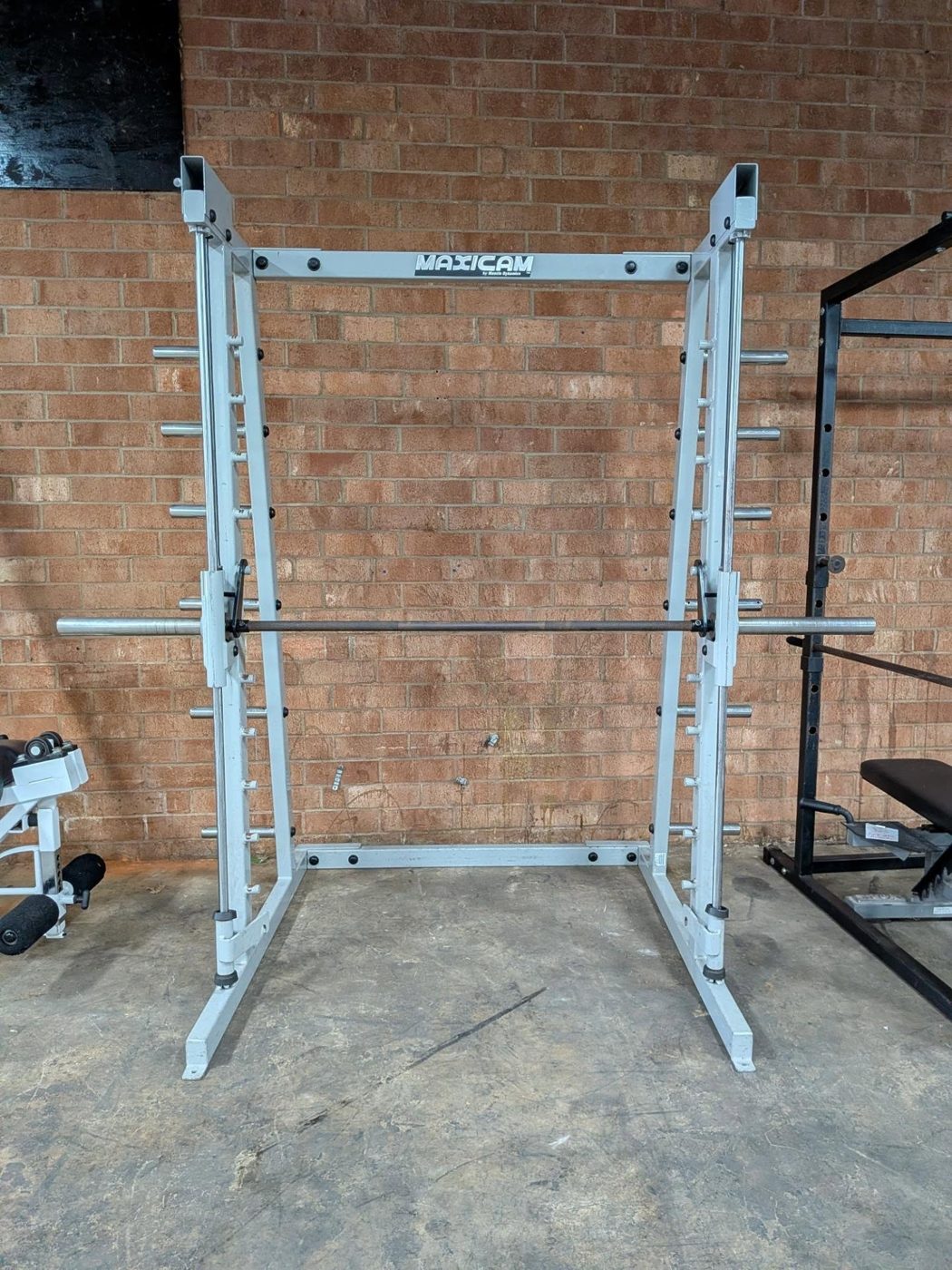
Plate-loaded design shows up across nearly every muscle group rather than being limited to one type of machine. On our floor, plate-loaded options include leg extension and prone leg curl machines for the quads and hamstrings, a combined deadlift/shrug machine for the traps and posterior chain, a pec deck and T-bar row for chest and back, a seated tricep machine, a glute drive machine, and a plate-loaded Smith machine for compound barbell-style lifts on a fixed bar path.
- Leg extension and prone leg curl machines
- Deadlift / shrug machines for the traps and posterior chain
- Pec deck and T-bar row machines for chest and back
- Seated tricep and glute drive machines
- Plate-loaded Smith machines
4. Why Gyms and Serious Lifters Choose Plate-Loaded Equipment
The biggest practical advantage is loading headroom — a plate-loaded machine can usually go heavier than a comparable selectorized version, which matters for stronger lifters who would otherwise max out a weight stack. Many lifters also prefer the resistance curve, since a plate-loaded machine's feel tracks closer to a free-weight movement than a weight stack's more mechanically guided path.
There's also a practical inventory reason commercial gyms lean on plate-loaded equipment: it reuses the same plates already stocked for racks, benches and free-weight areas, instead of requiring a separate, machine-specific weight stack for every station.
5. Plate-Loaded Machines for Home Gyms
Plate-loaded equipment is less common in home gyms than in commercial settings, mostly because it needs somewhere to store the loose plates and tends to be noisier than a fully enclosed weight stack. That said, if you already own a set of plates for a rack or bench, a plate-loaded machine reuses that same set rather than requiring a dedicated stack of its own — a real practical advantage for a space- and budget-conscious home setup.
Read: Home Gym Equipment for Sale6. What to Check Before Buying a Used Plate-Loaded Machine
Because plate-loaded machines take direct, repeated impact from plates being racked and unracked, a few wear points deserve extra attention beyond the usual frame and upholstery check. Inspect the loading posts or sleeves for bending or excessive wear, since a warped post can make plates difficult or unsafe to load securely. Cycle the machine through its full range checking that bearings and pivot points move smoothly without grinding, and look closely at welds and frame joints for cracking given the leverage these machines place on a relatively compact footprint.
- Loading posts or sleeves are straight, without bending or excessive wear
- Bearings and pivot points move smoothly through the full range without grinding
- Welds and frame joints show no cracking or visible flexing under load
- Pads and upholstery show no excessive wear or tearing
7. Brands Known for Plate-Loaded Equipment
Plate-loaded design is common across established commercial manufacturers — brands like Life Fitness, Cybex and Hammer Strength are established commercial names widely known for plate-loaded lineups alongside their selectorized machines. Our current plate-loaded inventory includes machines from manufacturers such as Nautilus, ProMaxima, Pro Elite, Flex Fitness and Maxicam, all sold as used, commercial-grade equipment.
Read: Best Gym Equipment Brands8. Fitting Plate-Loaded Machines Into a Workout
Plate-loaded machines typically fill the same role in a workout as their selectorized counterparts — leg extension and leg curl as isolation finishers after compound lower-body lifts, a pec deck or T-bar row as an accessory to a pressing or pulling day, a shrug or deadlift station toward the end of a back session. The loading system changes how you adjust weight between sets, not where the exercise fits in your training.
Shop Strength Equipment9. Keeping a Plate-Loaded Machine in Good Condition
Plate-loaded machines hold up well over time, but the loading posts and pivot points see more direct impact than a fully enclosed weight stack, so a bit of routine upkeep goes a long way. Wiping down loading posts and sleeves after use keeps chalk and sweat from building up into a layer that makes plates harder to slide on and off. Periodically checking that bolts and fasteners around the pivot points haven't loosened from repeated loading and unloading catches small issues before they turn into a wobble or a squeak under load.
Racking plates fully onto the post rather than leaving them balanced near the end also reduces strain on the loading arm over time, and it's a habit worth building into how a facility trains its members on shared equipment.
- Wipe down loading posts and sleeves regularly to prevent chalk and sweat buildup
- Check that bolts and fasteners around pivot points stay tight
- Rack plates fully onto the post rather than leaving them balanced near the end
Final Thoughts
Plate-loaded machines trade the convenience of a pin-adjustable weight stack for a heavier top-end load and a resistance feel many lifters prefer. Whether that trade-off is worth it comes down to how you train and how much you value fast weight changes between sets — not which system is objectively superior.
Frequently Asked Questions
- What does 'plate loaded' mean on a gym machine?
- It means the machine's resistance comes from free weight plates you load onto a post or sleeve yourself, rather than from a pin-selected weight stack built into the frame.
- Is a plate-loaded machine better than a weight stack machine?
- Neither is strictly better — plate-loaded machines allow a heavier top-end load and a resistance feel closer to free weights, while weight stack machines let you change resistance faster between sets.
- Do I need special plates for a plate-loaded machine?
- No — most plate-loaded machines take standard or Olympic-style plates, the same ones used on a barbell, rack or bench.
- Why are plate-loaded machines louder than selectorized machines?
- The plates themselves can clank when they're racked or set down, since they're external to the frame — a weight stack is enclosed, which keeps it quieter in normal use.
- Can a plate-loaded machine hold more weight than a weight stack?
- Usually, yes — a plate-loaded post can keep taking plates as long as the frame is rated for it, while a weight stack is capped at however many plates the manufacturer built in.
- Are plate-loaded machines good for a home gym?
- They can be, especially if you already own plates for a rack or bench — the machine reuses that same set instead of requiring a dedicated stack. The main trade-offs are needing storage space for loose plates and more noise than a selectorized machine.
- What plate-loaded machines do you carry?
- Our plate-loaded inventory includes leg extension, prone leg curl, deadlift/shrug, pec deck, T-bar row, seated tricep, glute drive and Smith machines, all sold as used, commercial-grade equipment.
- What should I check before buying a used plate-loaded machine?
- Inspect the loading posts or sleeves for bending, cycle the machine through its full range checking for smooth movement, and look closely at welds and frame joints for cracking before buying.
Shop Related Equipment
Ready to Shop Plate-Loaded Machines?
Browse plate-loaded leg, back, chest, shoulder and trap machines from verified sellers.