
GHK-Cu Copper Peptide: What It Is, Skin Research and Safety
GHK-Cu shows up in serums and research vials alike. Here's what this copper peptide is and what the research says.
GHK-Cu Research Peptides
1. What Is GHK-Cu?
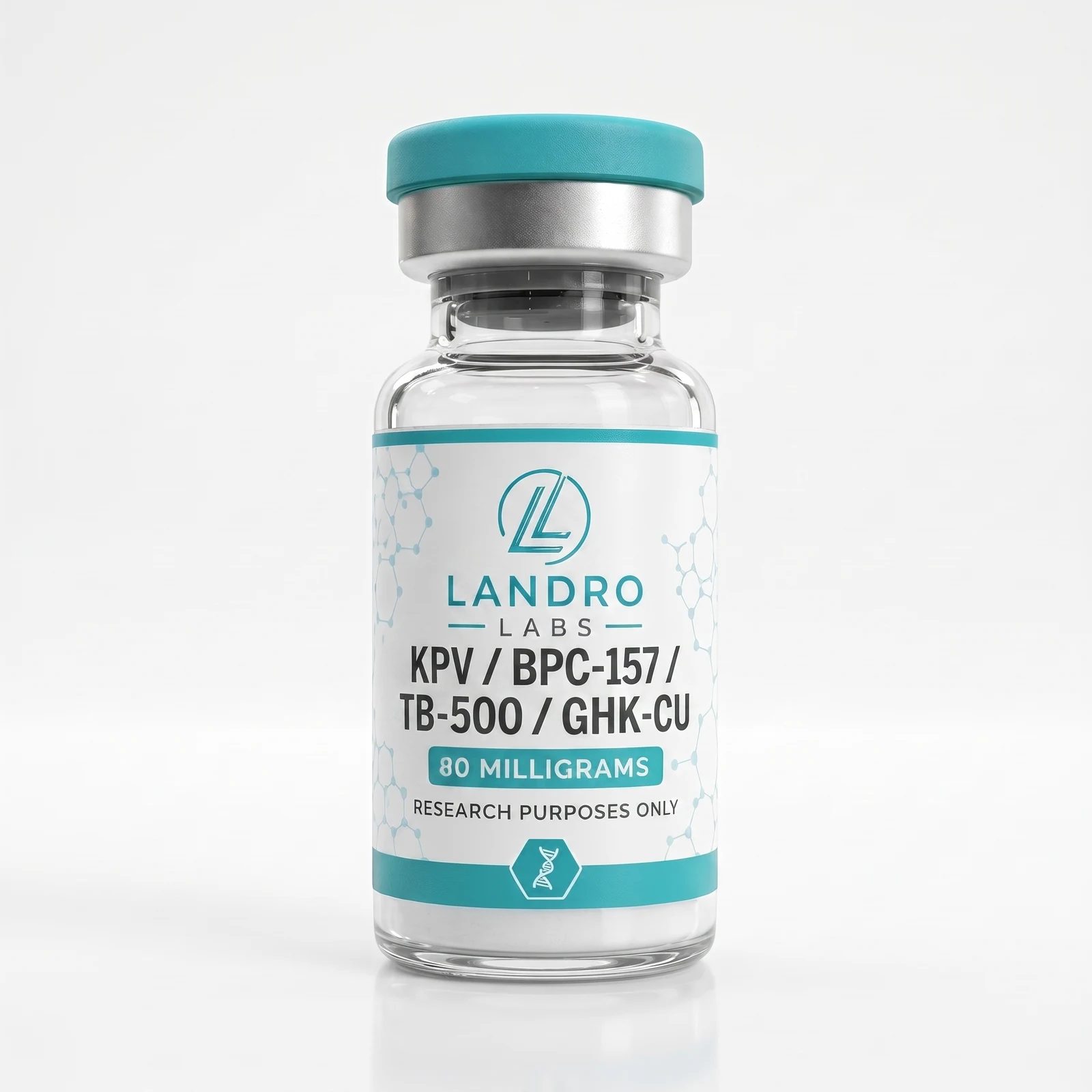
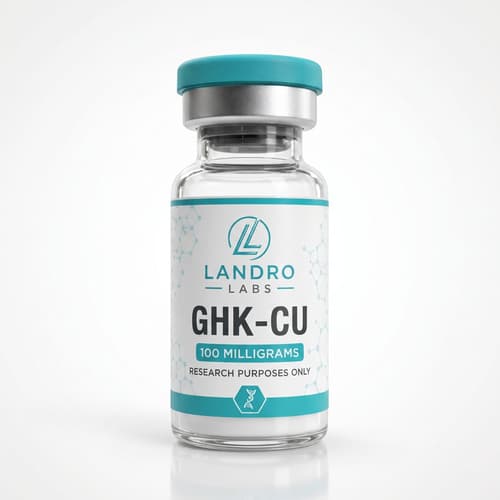
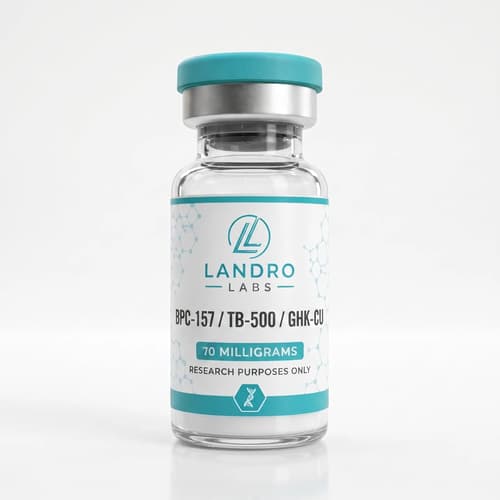
GHK-Cu is a small peptide of three amino acids (glycine, histidine and lysine) bound to a copper ion. It occurs naturally in human blood plasma, saliva and urine, and levels tend to fall with age. It's one of the most studied peptides in skin science and is a common ingredient in cosmetic serums.
2. What the Research Shows
Lab and animal studies, plus some small human studies of topical products, have explored GHK-Cu's role in collagen production, wound healing and skin appearance. Much of the evidence for cosmetics comes from small or industry-funded studies, so results should be read with care.
| Research Area | Evidence |
|---|---|
| Skin firmness and appearance (topical) | Some small human studies |
| Wound healing | Lab and animal studies |
| Hair | Limited, early research |
| Injectable use in humans | Not established |
3. Topical vs. Injectable GHK-Cu
Topical GHK-Cu is widely sold in skincare products as a cosmetic ingredient. Injectable research-grade GHK-Cu is a different matter: it isn't FDA-approved, its safety by injection hasn't been established, and the FDA has raised concerns about compounded injectable forms.
4. Risks to Understand
- Skin irritation is possible with topical products
- Excess copper can be harmful, and people with copper metabolism disorders should be especially cautious
- Injectable research products have no established safety profile in humans
- Purity and copper content vary between suppliers
5. Topical Use vs Other Forms
GHK-Cu is most commonly found in cosmetic skin care products, where it's applied topically. That's very different from products sold as research chemicals, which are not approved for human use. If you're interested in copper peptides for skin, choose reputable cosmetic products, patch test first and consult a dermatologist for persistent skin concerns.
6. What the Research Can and Can't Tell Us
Laboratory and small skin studies have looked at copper peptides for wound healing and skin appearance, but high-quality human trials are limited. Results from cosmetic studies also depend heavily on formulation and concentration.
7. Safety Considerations
Even topical products can cause irritation or allergic reactions in some people. Stop using any product that causes redness, burning or rash, and avoid unregulated research products intended for laboratory use.
Final Thoughts
GHK-Cu is a naturally occurring copper peptide with a solid body of skin research, mostly for topical use. Injectable research-grade GHK-Cu is unapproved and unproven. Choose reputable topical products for skincare and treat injectable claims with caution. This article is for general information only and is not medical advice. The compounds discussed are not approved by the FDA for human use and are sold for research purposes only. Talk to a licensed healthcare provider before making any decision about your health.
Frequently Asked Questions
- Is GHK-Cu natural?
- Yes. It occurs naturally in human plasma and other fluids, though products use synthetic versions.
- Is GHK-Cu safe in skincare?
- It's widely used in cosmetics and generally well tolerated topically, though irritation is possible.
- Is injectable GHK-Cu FDA-approved?
- No. Injectable GHK-Cu is not approved, and its safety by injection hasn't been established.
Shop Related Equipment
Copper Peptides for Research
GHK-Cu and copper-peptide blends for laboratory research. Not for human consumption.