
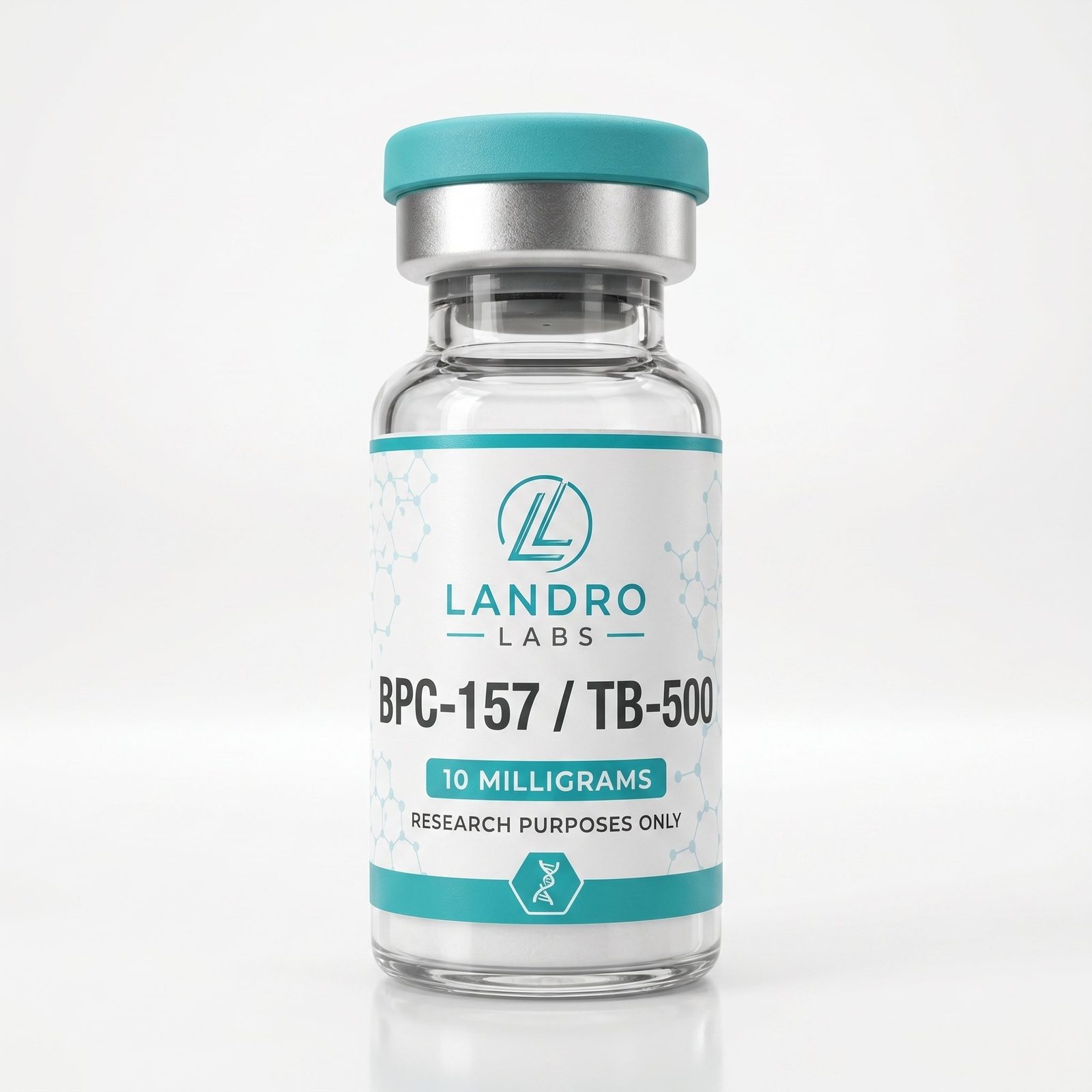
BPC-157 vs. TB-500: Differences, Research and Regulatory Status
They're often sold together, but BPC-157 and TB-500 are different compounds. Here's how they compare on origin, research and regulation.
BPC-157 & TB-500 Research Peptides
1. The Short Version
BPC-157 is a synthetic peptide based on a gastric juice protein. TB-500 is a synthetic peptide based on thymosin beta-4, a protein found in most human cells that's involved in cell movement and tissue repair. Both are studied mainly in animals, neither is FDA-approved, and both are banned by WADA.
2. Side-by-Side Comparison
| BPC-157 | TB-500 | |
|---|---|---|
| Based on | A protein in human gastric juice | Thymosin beta-4 |
| Size | 15 amino acids | A short fragment/analog of thymosin beta-4 |
| Research focus | Tendon, ligament, gut tissue | Cell migration, wound and tissue repair |
| Main evidence | Animal studies | Animal and lab studies |
| FDA-approved | No | No |
| WADA status | Prohibited | Prohibited |
3. Why They're Sold Together
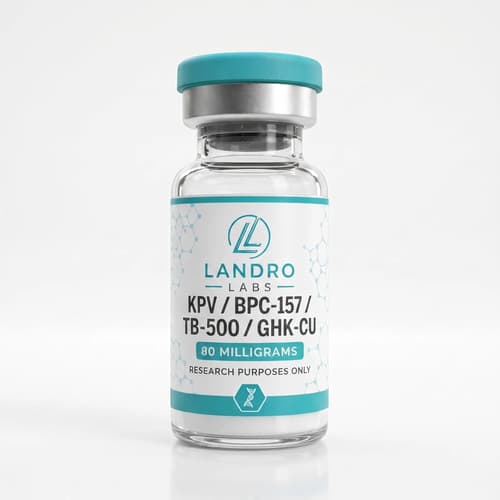
Because both are researched for tissue repair, suppliers often package BPC-157 and TB-500 as a blend, and sometimes add GHK-Cu (the "GLOW" style blend) or KPV (the "KLOW" style blend). Blends make it harder to verify contents, so third-party testing matters even more.
4. Thymosin Beta-4 vs. TB-500
Thymosin beta-4 itself has been studied in early human trials for wound and eye healing. TB-500 is a synthetic version or fragment sold for research, and it should not be assumed to have the same properties or safety as the compound tested in those trials.
5. Risks to Understand
- Neither compound has established human safety data
- Research-grade purity and labeling vary
- Both are banned for tested athletes
- Non-sterile injectable products carry infection risk
6. Understanding the Limits of Animal Research
Much of the interest in BPC-157 and TB-500 comes from animal and cell studies. These are useful for generating hypotheses, but results in rodents frequently don't translate to people. Without well-designed human clinical trials, it isn't possible to know whether these compounds are effective or safe for human use.
7. Talk to a Professional
If you're dealing with an injury, a sports medicine doctor or physical therapist can recommend evidence-based treatment and rehabilitation instead of unapproved compounds.
8. Quality Concerns
Products sold online may be impure, mislabeled or contaminated, adding further risk.
Final Thoughts
BPC-157 and TB-500 come from different proteins and are studied for overlapping reasons, mostly in animals. Neither is approved for human use and both are prohibited in sport. Understand the evidence and regulatory status before relying on any claim you read online. This article is for general information only and is not medical advice. The compounds discussed are not approved by the FDA for human use and are sold for research purposes only. Talk to a licensed healthcare provider before making any decision about your health.
Frequently Asked Questions
- Is TB-500 the same as thymosin beta-4?
- TB-500 is a synthetic peptide based on thymosin beta-4, sold for research. It isn't the same as the compound tested in clinical trials.
- Which is better, BPC-157 or TB-500?
- There isn't enough human research to say. Both are unapproved and studied mainly in animals.
- Are BPC-157 and TB-500 legal?
- They're sold for laboratory research, but neither is FDA-approved for human use, and both are banned by WADA.
Shop Related Equipment
Research Peptide Blends
BPC-157, TB-500 and blends for laboratory research. Not for human consumption.