
Creatine for Vegetarians and Vegans
Plant-based athletes may get even more from creatine. Here's why and how to take it.
Creatine Supplements
1. Why Vegans Benefit More
Creatine is found mainly in meat and fish, so vegans and vegetarians typically have lower muscle creatine stores. Studies show they often see larger increases in creatine levels from supplementation, and research suggests possible cognitive benefits in vegetarians as well.
2. Is Creatine Vegan?
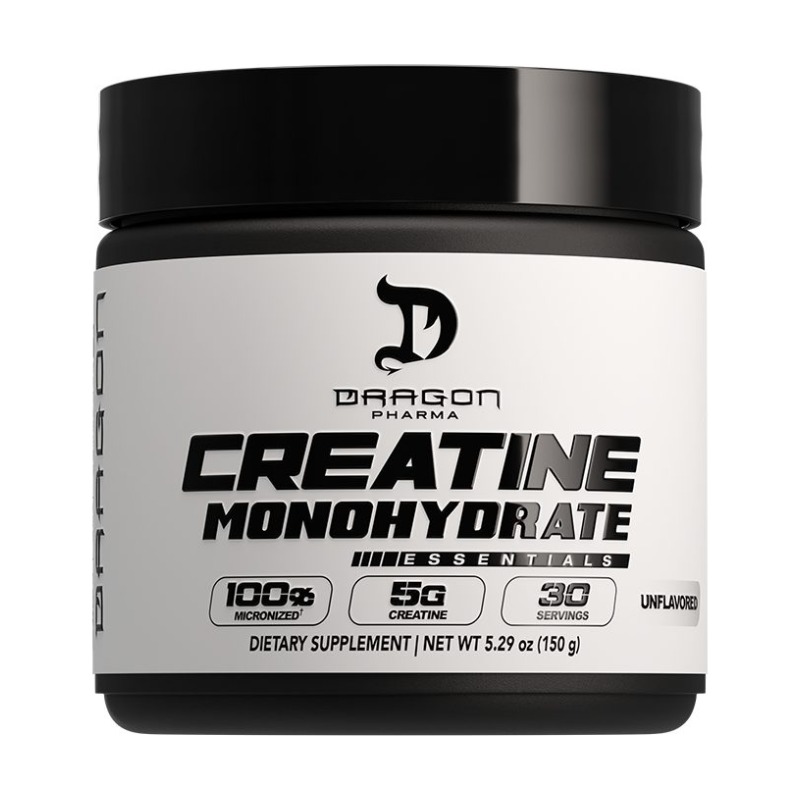
Most creatine monohydrate is made synthetically from non-animal materials, so it's vegan. Check capsules for gelatin and look for vegan-certified products if that matters to you.
3. Dosage
| Approach | Dose |
|---|---|
| Standard | 3 - 5 g/day |
| Optional loading | About 20 g/day for 5 - 7 days |
4. Creatine and Vegan Brain Health
Because vegans and vegetarians have lower dietary creatine intake, some studies have found supplementation improves memory and cognitive performance in these groups. Brain creatine levels may also be lower, which makes supplementation particularly interesting for plant-based eaters.
5. Other Supplements for Plant-Based Athletes
Plant-based athletes may also benefit from vitamin B12, vitamin D, algae-based omega-3, iron (if deficient) and plant protein powder. Combined with creatine, these support performance and health.
6. Our Recommendation
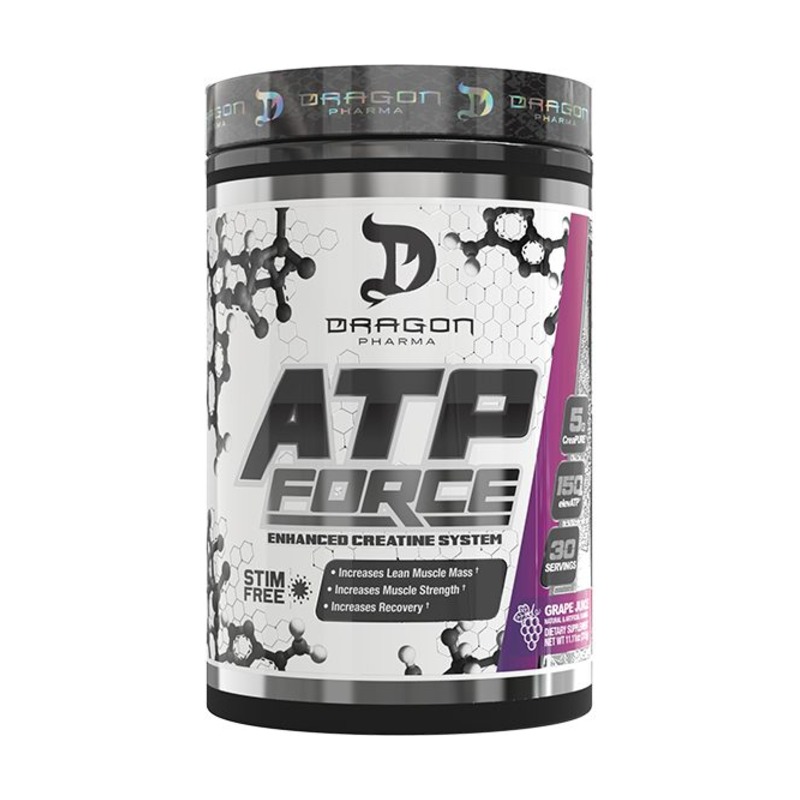
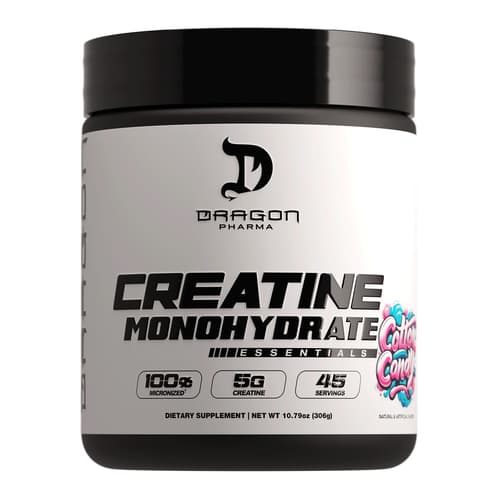
Choose certified vegan creatine monohydrate and take 3 to 5 grams daily.
7. Final Tip
Check capsules for gelatin; choose powders or vegan capsules if you avoid animal products.
8. Vegan Diets and Creatine Levels
Because creatine is found mainly in meat and fish, vegans get almost no creatine from food. Their bodies still produce some, but muscle creatine stores tend to be lower than in meat eaters. Supplementing raises these stores significantly, which is why vegans often notice more benefit from creatine in strength and performance.
This makes creatine one of the most valuable supplements for plant-based athletes.
9. How to Take Creatine as a Vegan
Take 3 to 5 grams of creatine monohydrate daily, mixed into water, plant milk, smoothies or plant protein shakes. Loading is optional. Combine creatine with adequate protein from legumes, soy, grains and plant protein powders to maximize muscle building.
10. Checking for Vegan Certification
Look for vegan certification or confirm with the manufacturer that the creatine and any capsules are free of animal-derived ingredients.
11. Common Questions
Vegan creatine is just as effective as any other creatine monohydrate. It doesn't contain animal products, and it doesn't need to be taken with meat. Simply take your daily dose with water or a plant-based shake.
12. Expected Results
Many vegans notice strength and training improvements within three to four weeks of taking creatine. Combined with sufficient plant protein and consistent training, creatine helps plant-based athletes perform and build muscle as effectively as meat eaters.
Final Thoughts
Creatine for vegans is one of the most valuable supplements a plant-based athlete can take. Most creatine monohydrate is vegan, and 3 to 5 g a day helps make up for low dietary intake. This article is for general information only and isn't medical advice. Talk to a doctor or registered dietitian before starting a supplement, especially if you're pregnant or nursing, take medication or have a health condition.
Frequently Asked Questions
- Do vegans need more creatine?
- The same dose works; vegans often respond more because their starting stores are lower.
Shop Related Equipment
Shop Creatine
Creatine monohydrate and performance supplements from trusted brands.