Leg & Hip Machines for Sale: V-Squat, Calf Raise, Abductor/Adductor & More
V-squat, calf raise, abductor and adductor machines each train the legs and hips differently — here's how to tell them apart and choose the right one.
Leg Machines for Sale
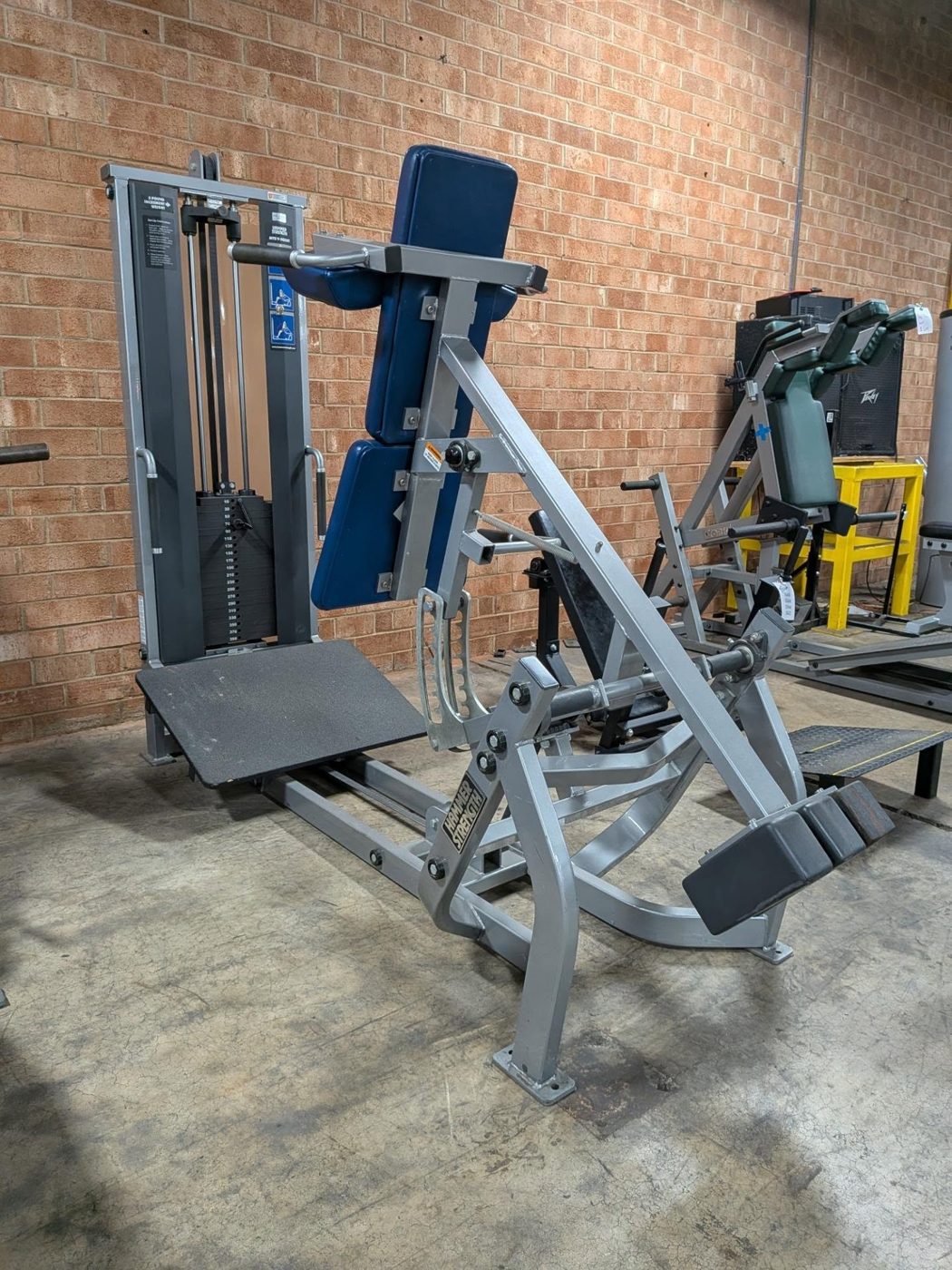
Hammer Strength
Hammer Strength MTS Squat Machine
Condition: Very Good
$1,699
Orlando, Florida
View Details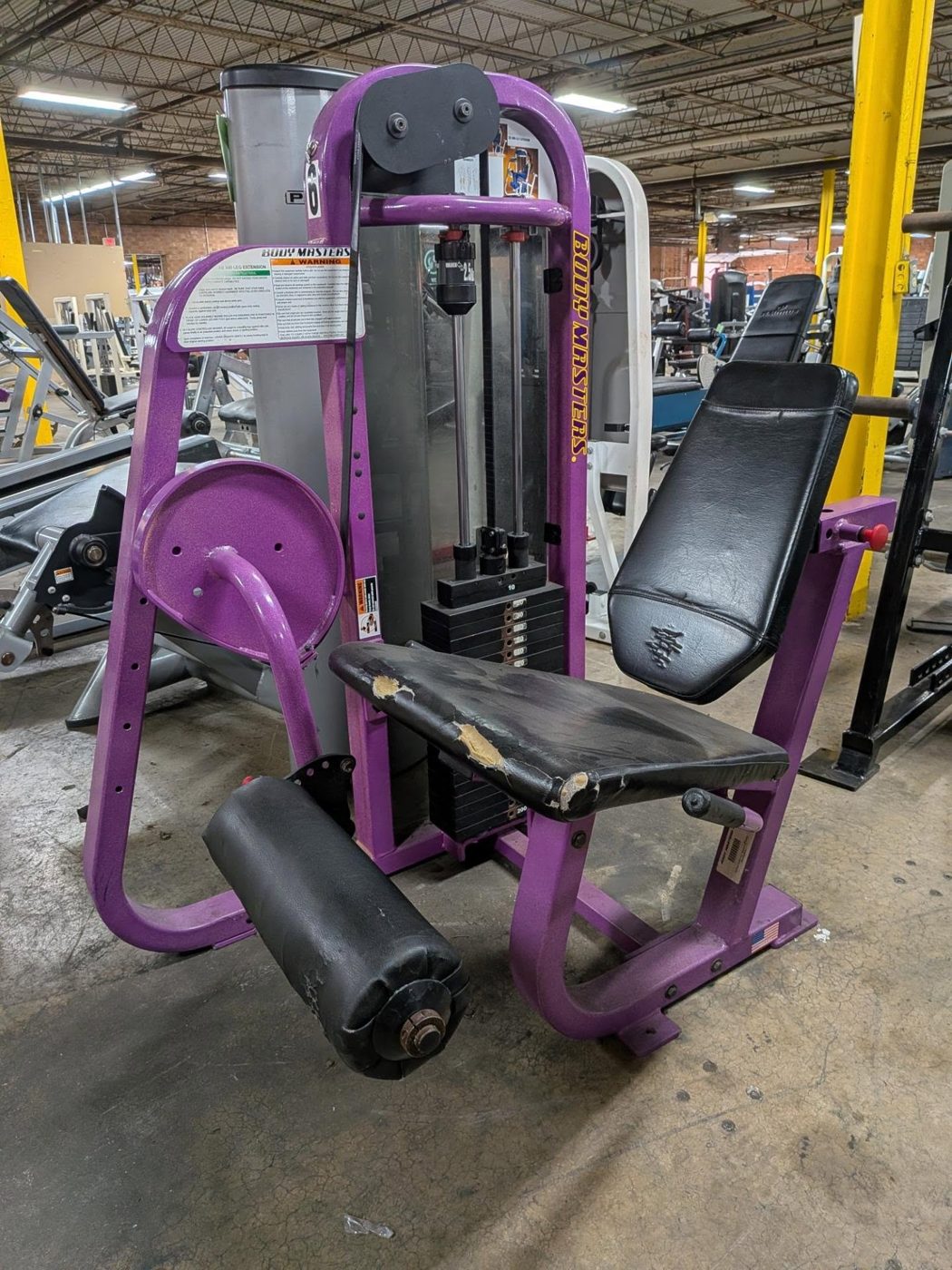
Body Masters
Body Masters Leg Extension Machine (Purple)
Condition: Very Good
$675
Los Angeles, California
View Details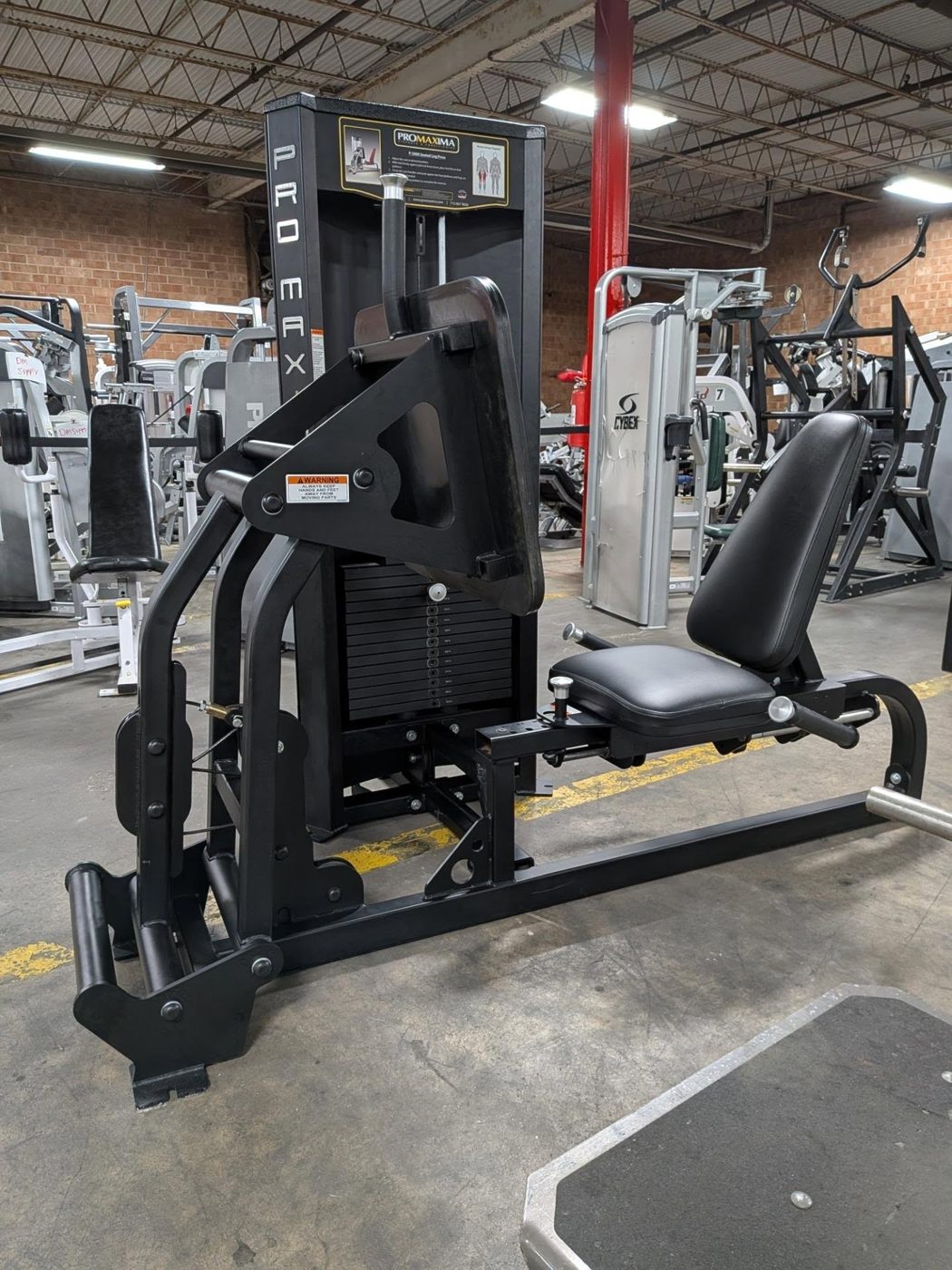
1. The Main Types of Leg and Hip Machines
| Machine | Movement | What It Targets |
|---|---|---|
| V-Squat / Hack Squat | Angled or vertical squat pattern, back supported | Quads, glutes, with reduced lower back strain |
| Belt Squat | Squat pattern loaded through a belt at the hips, not the spine | Quads and glutes with no direct spinal loading |
| Calf Raise (Standing/Seated) | Heel raises against resistance | Calves — standing emphasizes the gastrocnemius, seated the soleus |
| Hip Abductor / Adductor | Legs pushed outward (abductor) or squeezed inward (adductor) | Outer and inner thigh muscles |
2. What About Leg Extension and Leg Curl Machines?
Quad and hamstring isolation work — leg extension and leg curl machines — is common enough on a leg day that it deserves its own dedicated breakdown, covering seated, prone, standing and combo designs in detail.
Read: Leg Extension & Leg Curl Machines3. V-Squat, Hack Squat and Belt Squat: What's the Difference
A V-squat or hack squat machine guides the body through a squat pattern along a fixed angled or vertical track, with the back braced against a pad — this removes much of the balance and bar-path demand of a free barbell squat while still loading the quads and glutes heavily. A belt squat takes a different approach entirely, loading weight through a belt around the hips rather than across the shoulders or back, which keeps the spine essentially unloaded while still training the same lower-body muscles — a common choice for anyone managing a back issue who still wants to squat heavy.
4. Standing vs. Seated Calf Raise Machines
A standing calf raise machine loads the calves with the knee straight, which emphasizes the larger gastrocnemius muscle. A seated calf raise machine bends the knee during the movement, shifting emphasis toward the smaller soleus muscle underneath. Training both angles, rather than only one, covers the calf more completely than either alone.
5. Hip Abductor and Adductor Machines
Abductor machines push the legs outward against resistance, training the outer thigh and hip muscles; adductor machines do the reverse, squeezing the legs inward to train the inner thigh. These machines isolate muscles that get relatively little direct work from squats, lunges or presses, which is why they're a common addition on commercial floors focused on complete lower-body training rather than just the major compound lifts.
6. Why Hip Abductor and Adductor Training Matters Beyond Aesthetics
Inner and outer thigh strength contributes to hip stability during squats, lunges and everyday movement, not just muscle development for its own sake. Weakness in these muscles is often linked to knee tracking issues during heavier compound lifts, which is one practical reason abductor and adductor work shows up in rehabilitation and injury-prevention programs as often as it does in general strength routines.
7. Leg Raise Machines: Legs or Core?
"Leg raise machine" is a slightly ambiguous term — it most often refers to a captain's chair or vertical leg raise station that trains the abs and hip flexors by raising the legs while the torso stays fixed, rather than a machine that trains the leg muscles directly. If your goal is core and hip flexor training, this is the equipment to look for; if you're after quad, glute or hamstring development, a squat variant or leg press machine is the better fit.
8. Frame Size and Loading Capacity on Leg Machines
Leg machines routinely handle some of the heaviest loads in a gym, since the legs are capable of moving far more weight than the upper body in most movements. This means frame gauge, weld quality and weight capacity deserve more attention here than on upper-body isolation machines — check the specific listing's stated capacity against your actual training loads rather than assuming a similar-looking machine shares the same rating.
9. Footprint and Floor Space for Leg Machines
Squat variants and belt squat machines generally need more floor space than calf raise or abductor/adductor machines, since they accommodate a full squatting motion rather than a smaller isolated movement. A home gym building out leg training gradually often starts with one versatile squat-pattern machine or a rack for barbell squats, adding dedicated calf, abductor and adductor machines only once space and budget allow.
Read: Power Racks, Cages & Towers for Home Gyms10. What to Check Before Buying a Used Leg Machine
Leg and hip machines carry some of the heaviest loads in a gym relative to their size, which makes the frame, pads and pivot points worth inspecting carefully. Check that padding is intact and properly positioned, since a shifted or worn pad changes where load is applied to the joint. Cycle the machine through its full range checking for smooth movement, and inspect welds and pivot points for cracking or excessive play under load.
- Padding is intact, properly positioned and free of tears
- Full range of motion moves smoothly without sticking
- Welds and pivot points show no cracking or excessive play
- Weight stack or plate-loading hardware locks securely at every setting
11. Building Leg Day Around These Machines
A common leg-day sequence leads with a squat variant — V-squat, hack squat or belt squat — while energy is highest, then moves to more isolated work like abductor, adductor and calf raise machines to finish. This mirrors the same big-muscle-first, isolation-last structure used across other muscle groups, and it works whether you're training on a full commercial leg lineup or building a home setup around one or two versatile machines.
Read: Chest, Shoulder & Arm Machine Workout12. Leg Machines for Home vs. Commercial Gyms
Dedicated leg machines are far more common on commercial floors, where the space and cost are justified across many users. Home gyms more often cover leg training through a rack for barbell squats and lunges, adding a leg-specific machine only once space and budget allow for it.
Shop Strength EquipmentFinal Thoughts
Leg and hip machines cover ground that squats and lunges alone often miss — dedicated calf, abductor and adductor work rounds out a lower-body routine that would otherwise lean entirely on compound lifts. Choose based on what your current routine is missing, not just what looks impressive on a commercial floor.
Frequently Asked Questions
- What's the difference between a V-squat and a hack squat machine?
- The terms are often used interchangeably for machines that guide the body through a squat pattern along a fixed track with the back supported, though specific angle and track design vary by manufacturer.
- What does a belt squat machine do differently than a regular squat machine?
- It loads weight through a belt around the hips instead of across the back or shoulders, keeping the spine essentially unloaded while still training the quads and glutes — useful for anyone managing a back issue.
- Should I use a standing or seated calf raise machine?
- Standing calf raises emphasize the larger gastrocnemius muscle with the knee straight, while seated calf raises bend the knee and shift emphasis to the soleus underneath. Training both covers the calf more completely.
- What do hip abductor and adductor machines train?
- Abductor machines train the outer thigh and hip by pushing the legs outward against resistance; adductor machines train the inner thigh by squeezing the legs inward.
- Is a leg raise machine for legs or abs?
- Usually abs and hip flexors — a leg raise machine or captain's chair raises the legs while the torso stays fixed, training the core rather than the leg muscles directly.
- What should I check before buying a used leg machine?
- Inspect padding for tears or shifting, cycle the machine through its full range checking for smooth movement, and check welds and pivot points for cracking or excessive play under load.
- What order should leg day machines go in?
- A common approach leads with a squat variant while energy is highest, then moves to isolated work like abductor, adductor and calf raise machines to finish the session.
- Are leg machines necessary if I already do barbell squats?
- Not strictly necessary, but they train muscles — particularly the inner and outer thigh — that squats alone train less directly, which is why many complete lower-body routines include both.
- Do abductor and adductor machines help prevent knee issues?
- They can help — weak inner and outer thigh muscles are often linked to knee tracking issues during heavier compound lifts, which is why this training shows up in injury-prevention programs as well as general routines.
- What weight capacity should I look for on a leg machine?
- Check the specific listing's stated capacity against your actual training loads rather than assuming a similar-looking machine shares the same rating — leg machines handle some of the heaviest loads in a gym.
- How much floor space does a squat variant machine need compared to calf or hip machines?
- Meaningfully more — squat variants and belt squat machines accommodate a full squatting motion, while calf raise and abductor/adductor machines have a smaller, more isolated footprint.
- Should I buy a leg machine new or used?
- Either can work — check welds, pivot points and padding carefully on a used leg machine given the heavy loads these machines handle, but a well-maintained used unit is often a strong value.
- Which leg machine should a home gym prioritize first?
- A versatile squat-pattern machine or a rack for barbell squats typically covers the most ground first, with dedicated calf, abductor and adductor machines added later as space and budget allow.
Shop Related Equipment
Ready to Shop Leg & Hip Machines?
Browse squat variants, calf raise machines and strength equipment from verified sellers.