
Used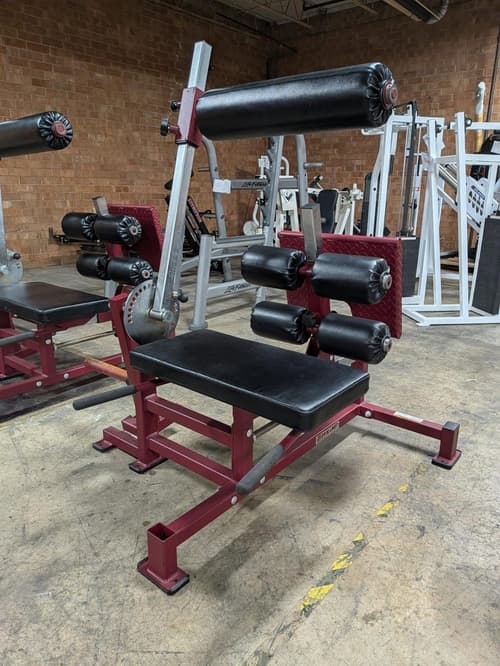
Gym Equipment Marketplace
Browse commercial and home strength training equipment from trusted sellers: power racks, smith machines, cable machines, functional trainers, plate loaded machines and benches. Compare new, refurbished and used strength machines by brand, condition, price and location.
Showing 1–24 of 137 listings
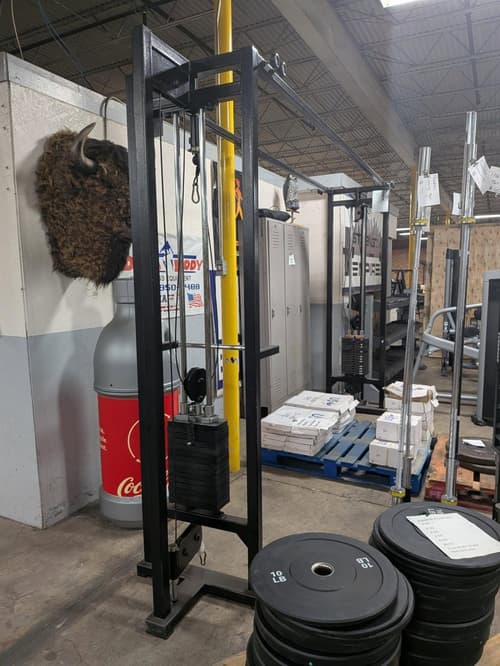
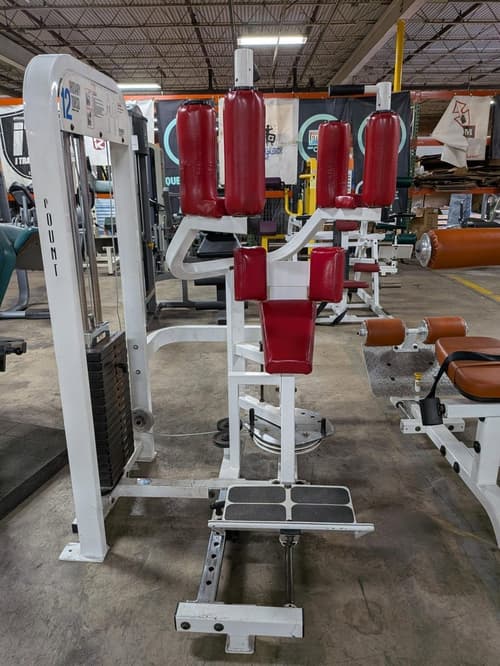
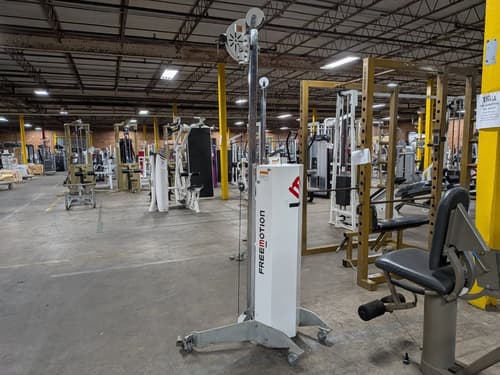
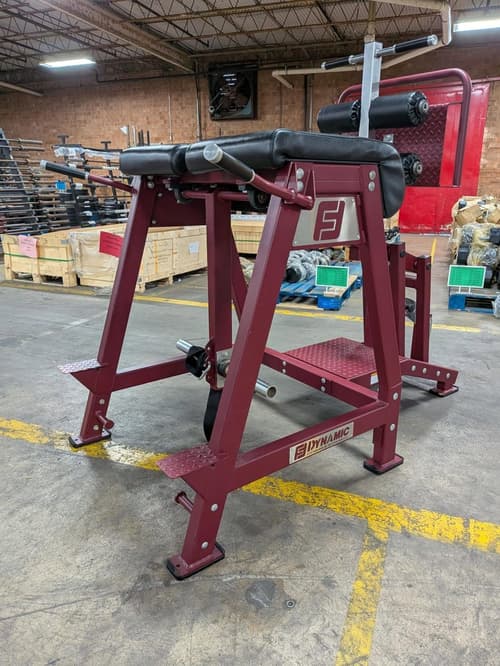
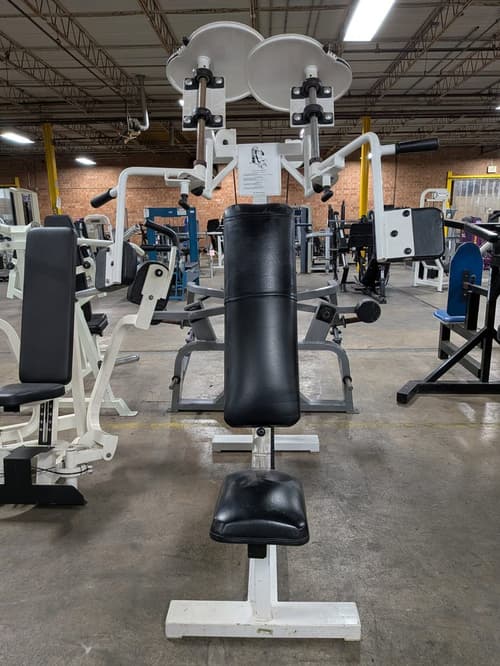
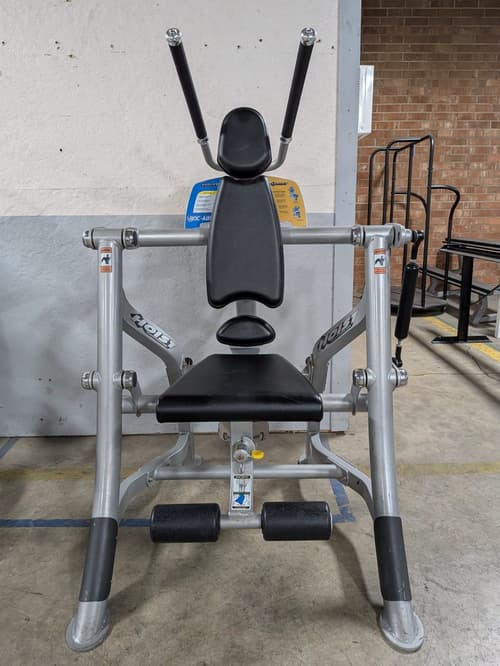
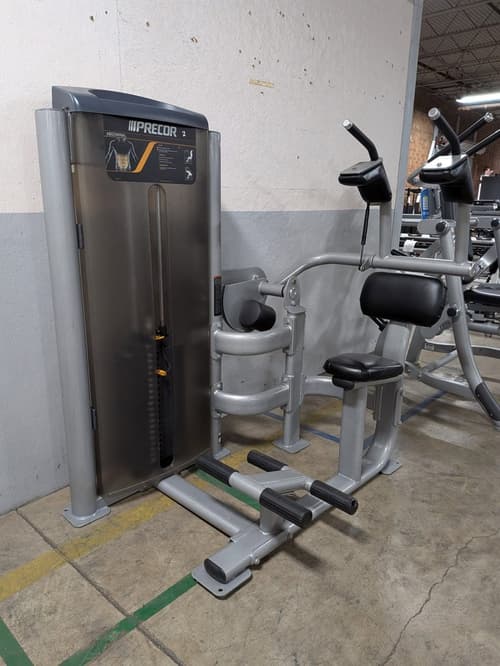
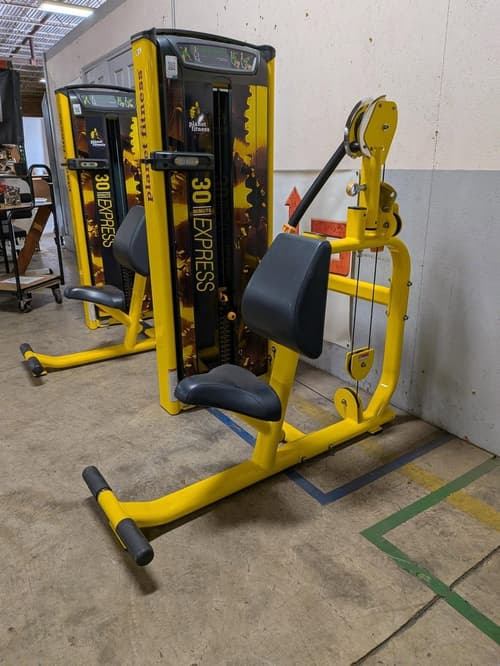
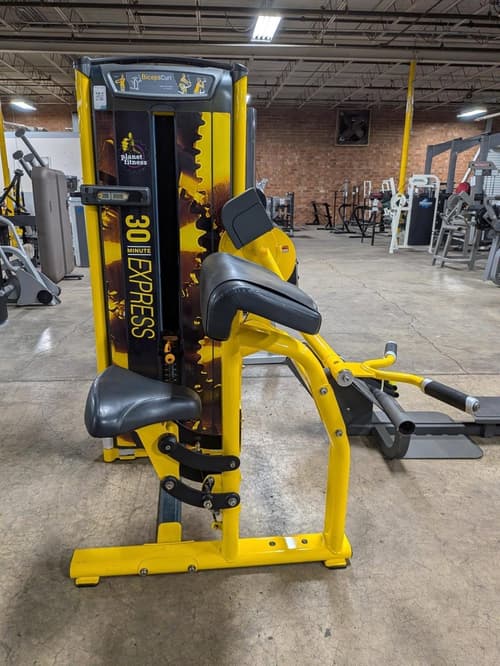
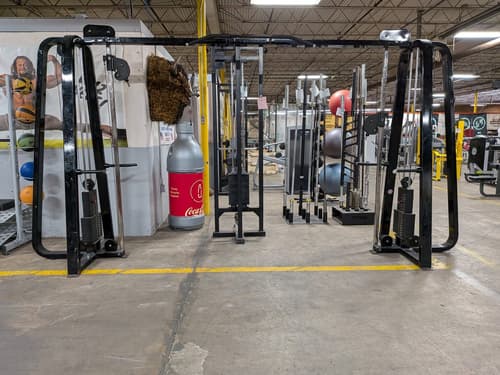
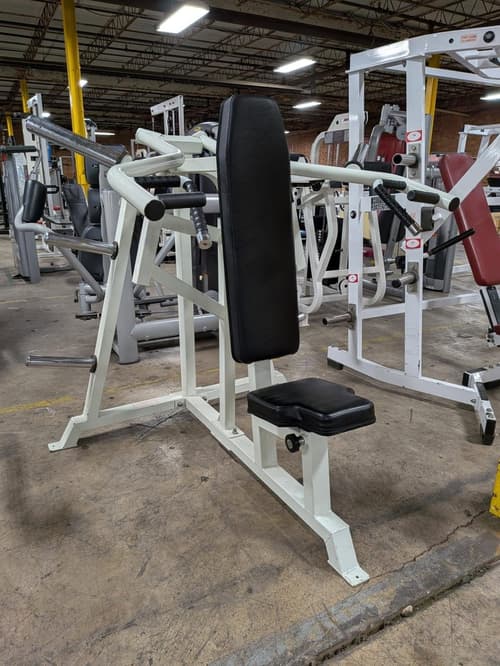
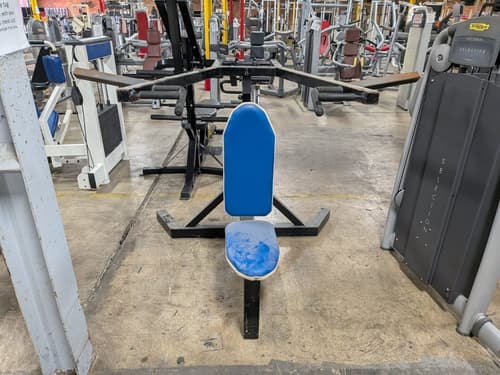
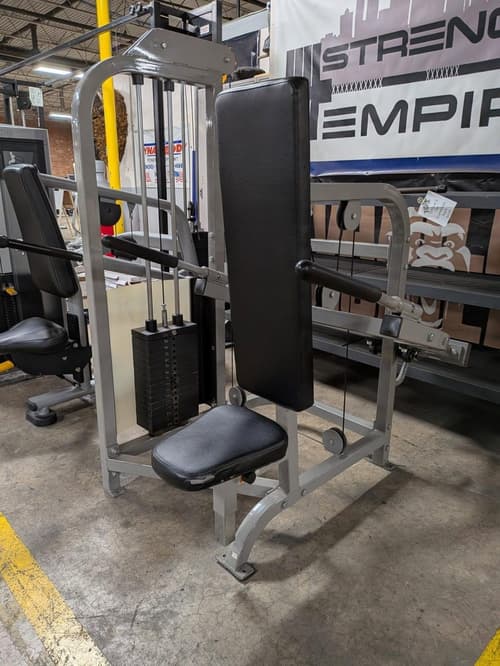
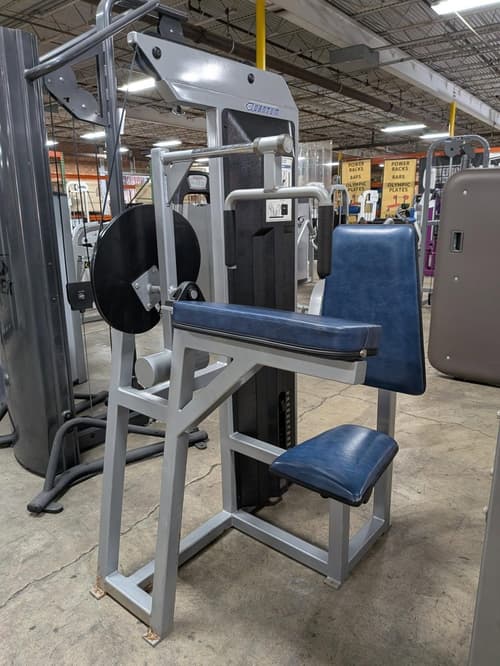
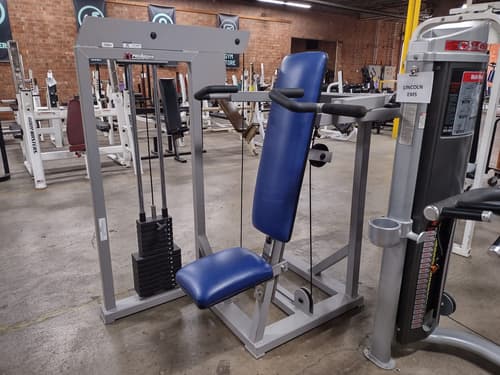
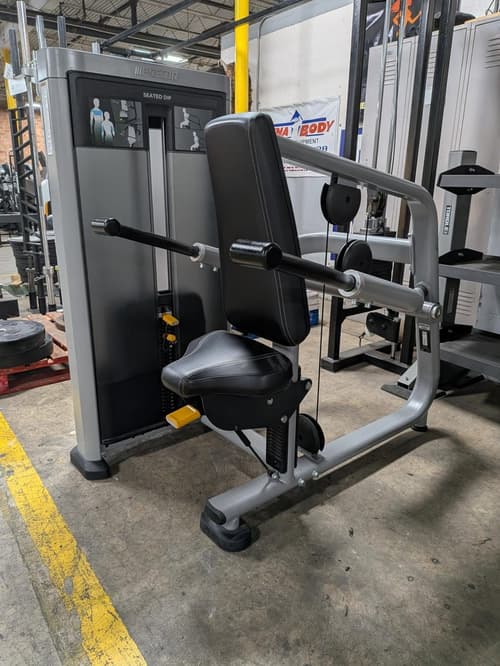
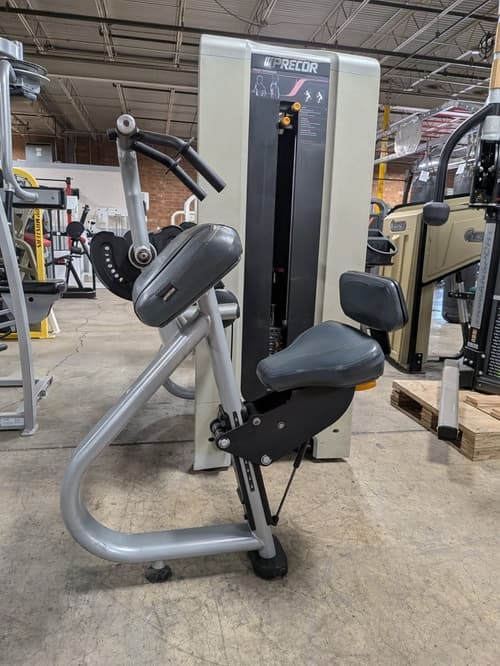
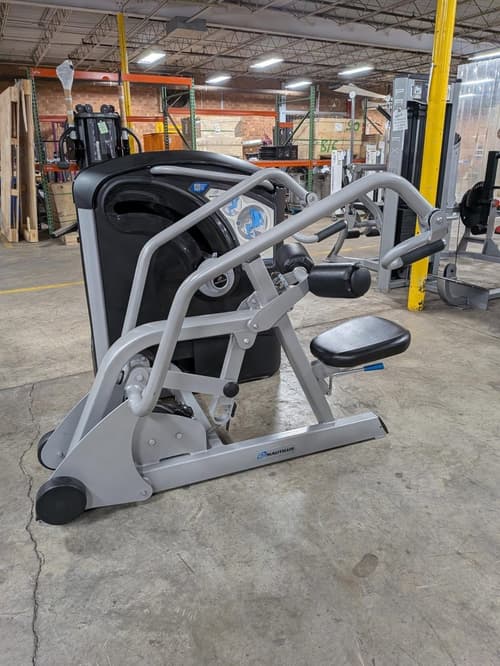
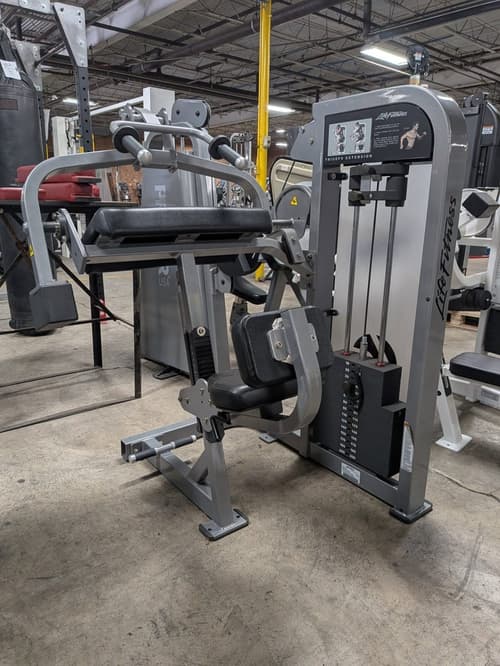
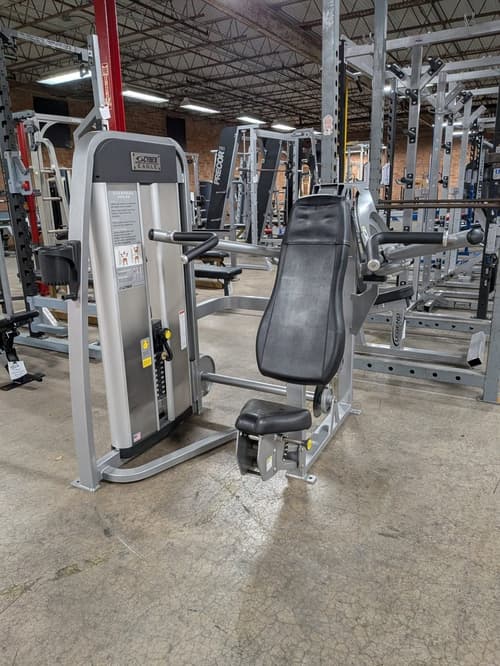
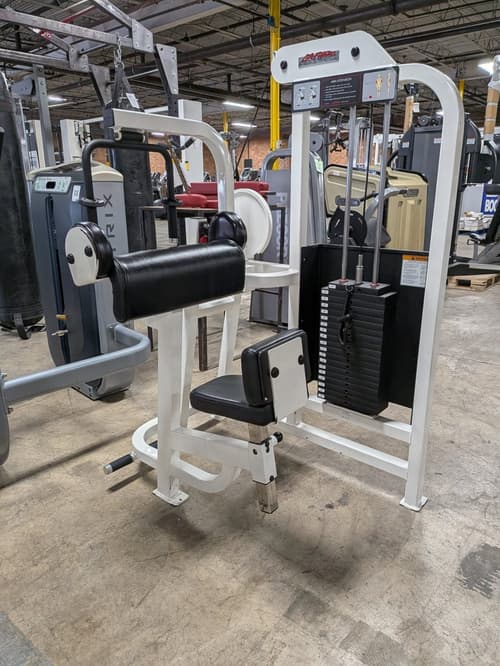
Selectorized machines use a weight stack and a pin, so a member can change resistance in seconds without loading plates — the reason they dominate high-traffic commercial floors and circuit-training rooms. They also take up a predictable, fixed footprint, which makes planning a gym layout easier.
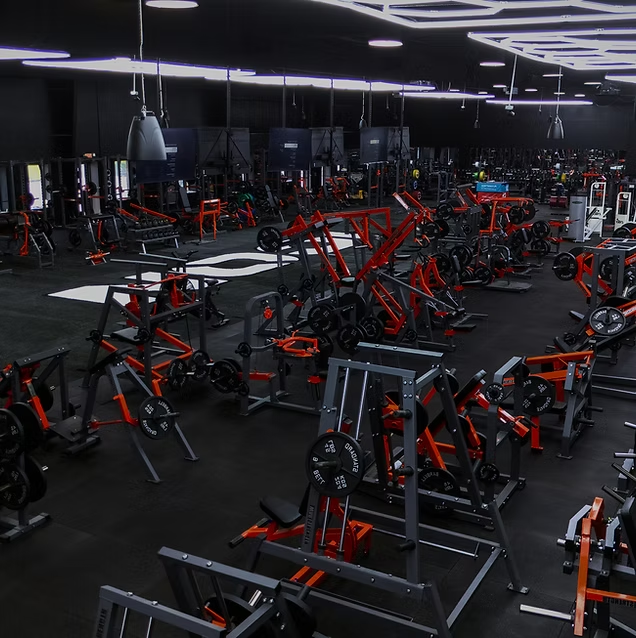
Plate-loaded machines have almost no electronics and few moving parts beyond the pivot and cable, so they hold up for decades with basic upkeep and are the strength equipment category where buying used carries the least risk. Powerlifters and serious home-gym owners also prefer the free, natural bar path plate-loaded machines allow compared to a fixed selectorized cam.
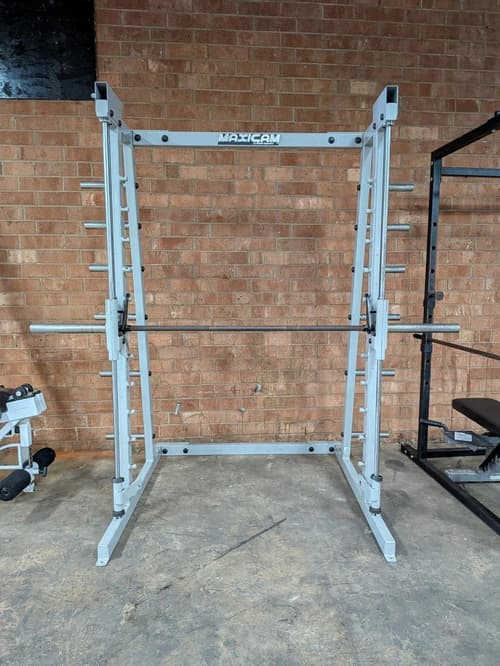
A power rack or squat rack is usually the anchor of any serious strength setup, since it covers squats, bench press, pull-ups and safety-bar work in one footprint. Pair it with an adjustable bench and a cable machine or functional trainer to cover presses, rows, curls and cable core work without needing a full row of single-purpose machines.
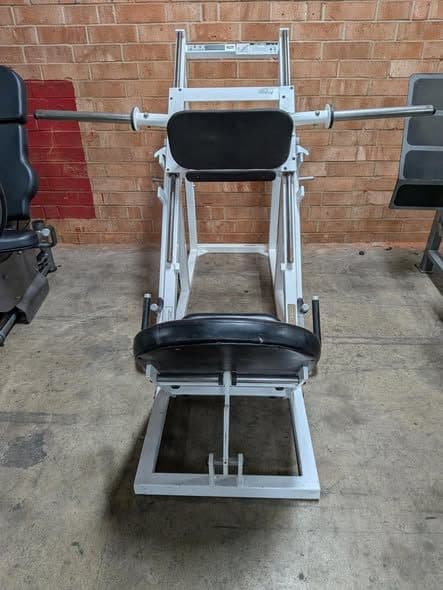
Commercial gyms typically add dedicated leg press, chest press, lat pulldown and shoulder press machines so several members can train different muscle groups at once without waiting on a single multi-station rig — the same logic that makes plate-loaded circuits efficient in busy facilities.
Strength machines are one of the safest categories to buy used because their failure points — cables, pulleys, upholstery and pads — are visible, inexpensive and easy to inspect before you buy. Ask for close-up photos of cable ends, weld joints and cam surfaces if you can't view the machine in person, and confirm the seller has inspected and serviced it rather than just wiping it down for photos.